make preferable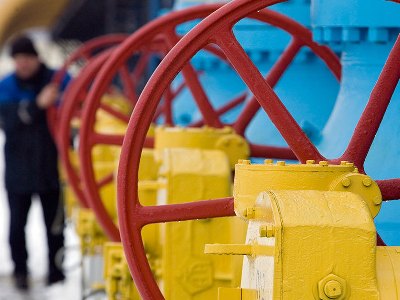
Russia resumed pumping gas through its biggest pipeline to Europe on Thursday after a 10-day downtime, allaying some European fears, but not enough to end the rationing threat and deal with potential winter gas shortages, Reuters reported.
Supplies via Nord Stream 1, which runs under the Baltic Sea to Germany, were halted for maintenance on July 11 but, even before that outage, flows had been cut to 40% of the pipeline's capacity in a dispute sparked by war.
As Nord Stream data showed, flows returned to 40 percent throughput on July 21.
The resumption of Nord Stream supplies at a level that remains well below the pipeline's capacity means that Germany, which is particularly dependent on Russian fuel, and other European economies still face the challenge of accumulating enough gas for the winter.
"In view of the missing 60% and the political instability, there is no reason yet to give the all-clear," German network regulator president Klaus Mueller wrote on Twitter.
Germany and several other states have already launched the first phases of contingency plans that could lead to rationing in some cases. Greece said Thursday it would impose rolling blackouts as a last resort if necessary.
The EU is aiming to fill its gas storage facilities to 80 percent by 1 November, while some EU countries have set higher targets. Reserves are currently about two-thirds full, and the rate of replenishment is slowing.
To try to prevent winter supply disruptions, the European Commission has proposed a voluntary goal for all EU states to reduce gas consumption by 15% from August to March compared to the same period in 2016-2021. The Commission's proposal would allow Brussels to make the goal mandatory in the event of a supply emergency.
Several southern EU states have opposed the plan, which requires overwhelming support. Portugal said it would hinder electricity production during a severe drought. Spain and Greece have also spoken out against it.
Uniper, which the German government is trying to save because of the energy crisis, said that Russia has supplied about 40% of the contracted volumes of gas.
Austria's OMV said Gazprom has signaled it will deliver about half of the agreed volumes on Thursday.
Italy's ENI said it will receive about 36 million cubic meters of gas a day from Gazprom, more than a third more than it received during the maintenance downtime and back to near pre-maintenance levels.
European nations are chasing alternative supplies, although the global gas market was already congested before the Ukrainian crisis and demand for the fuel was recovering from the pandemic-induced recession.