make preferable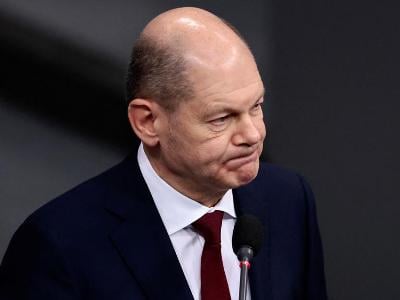
German Chancellor Olaf Scholz called for European intervention to curb gas prices, Politico reported.
EU countries are currently trying to find ways to curb skyrocketing gas prices that are wreaking political and economic havoc on the continent. Energy ministers will meet Friday in Brussels to discuss a series of proposals from the European Commission to tame prices.
Although the German government has said it is skeptical of the proposal to impose a price cap on Russian gas imports, Scholz said he believes EU intervention to address the energy price crisis is crucial.
Germany and other EU countries currently pay prices for natural gas that far exceed the real cost of importing liquefied natural gas (LNG) by sea, Scholz noted.
He attributed the problem to the fact that many European countries, cut off from Russian gas by cheaper long-term contracts, have been forced to fill the gap by making last-minute short-term purchases on the world market. Prices for these purchases are much higher than usual, in part because of the shock of losing so much gas from Russia.
"We have to achieve that we only pay the world market price' rather than a higher price," says German chancellor.
A spokesman for the German Economy Ministry said the EU could try to lower prices by pooling its market power through joint gas purchases, rather than having each EU country and their energy suppliers bid individually for contracts and enter into competition with each other.
“There is an opportunity to influence gas prices through good, structured purchasing behavior,” the official said, adding that German Economy Minister Robert Habeck was looking into enabling “joint purchases" of gas at European level.
The European Commission had already set up a voluntary platform for joint gas purchases in April, but as of early August, no purchases had been made. Germany had previously been skeptical of the idea.
As part of a slew of proposals to be discussed at the Energy Council on Friday, the Commission has also proposed a new base price for gas that reflects the cost of LNG on the world market. This would help avoid price spikes caused by supply disruptions from Russia.
A high-ranking European Commission official suggested that the official EU proposal would not be made until after European Commission President Ursula von der Leyen speaks on Sept. 14.