make preferable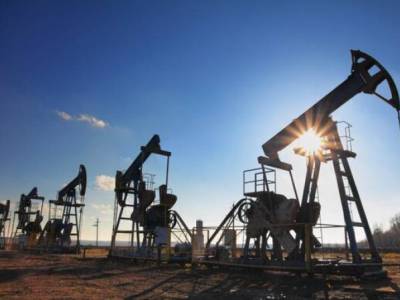
New steps by the G7 countries to introduce a ceiling on Russian oil prices will not apply to OPEC producers, whose plans to reduce production have irritated the United States, a representative of the U.S. Treasury Department told Reuters.
Washington assured OPEC representatives that the plans would not affect cartel members, he said.
That could help ease disagreements between the United States and Saudi Arabia, OPEC's top oil exporter and de facto leader, over what Washington sees as cooperation with Russia aimed at depriving markets of supplies just as a global recession is looming.
Tensions have been growing between consuming countries such as the United States and oil producers over production policy, with sources telling Reuters that OPEC's anger over its price-capping plan was one of the reasons for its decision to cut production.
OPEC+, which brings together a bloc of producers with allies including Russia, announced last week that it would cut production by 2 million barrels a day to balance markets and quell volatility.
Saudi Arabia said the real cut is likely to be about 1 million bpd.
The White House said an analysis by the United States showed that the cuts could have been delayed until OPEC's next meeting after the November midterm elections in the United States.
But OPEC officials did not link the move to a cap on Russian oil prices in their talks with the United States, Wally Adeyemo, deputy U.S. Treasury secretary, said last week.
The price ceiling to be set Dec. 5 would not apply to other producers, the official added.
The Paris-based consumer group of the International Energy Agency said last week that OPEC+ production cuts have driven up prices and could push the global economy into recession.
But a U.S. Treasury Department spokesman considered the price impact of the cuts muted, saying it might take a $30-40 price spike or a production cut of 10 times OPEC+'s actual production cut of about 900,000 bpd to trigger a recession.