make preferable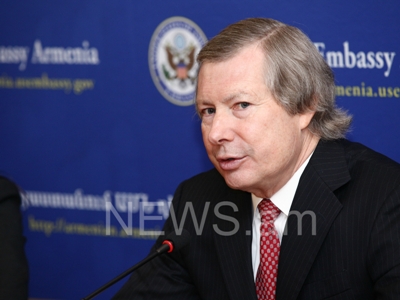
Ambassador James Warlick, former US Co-Chair of the OSCE Minsk Group, considers reaching a final agreement between Armenia and Azerbaijan unrealistic at this phase, VOA Armenian Service reports.
According to him, there are many unresolved issues, including communication, refugees, borders, natural resource management, and several others. Ambassador Warlick emphasizes the issue of the status of Nagorno-Karabakh, stressing that it is impossible to achieve lasting peace without a settlement of this status issue that will satisfy the parties.
Warlick says he is not talking about independence for Nagorno-Karabakh. He does not believe that this matter is on the negotiating table, especially from Azerbaijan's point of view, but there could be some degree of self-determination that would be acceptable to Baku,
According to him, the recognition of the territorial integrity of Azerbaijan by Armenia has been a very difficult issue until now, which means accepting that Nagorno-Karabakh is a part of Azerbaijan. Today, Armenia is moving in that direction, and what kind of wording it will receive in the document is still unknown, says the diplomat.
According to him, Azerbaijan must show that there will be a certain level of self-determination in Nagorno-Karabakh so that it is acceptable for Armenia. Warlick considers the issue of the Lachin corridor, which should connect Nagorno-Karabakh with Armenia, to be an important issue as well.
No one expects Nagorno-Karabakh and its de facto authorities to simply give up what they have fought for in recent decades Warlick says. He believes there needs to be some recognition that there is a community in Nagorno-Karabakh and that they should have a status that Armenia, Azerbaijan, and the de facto authorities of Nagorno-Karabakh agree to.
Another important issue of the negotiation process, according to Warlick, is the issue of the Russian peacekeepers in Nagorno-Karabakh, and this issue is related to Russia's engagement.
The Russian-brokered ceasefire cannot be ignored because it is the basis of where we are today, says the former American co-chair of the OSCE Minsk Group. But is that the only basis, and does it somehow give Moscow leadership or privilege in future negotiations? Of course not, Warlick says.