Preferred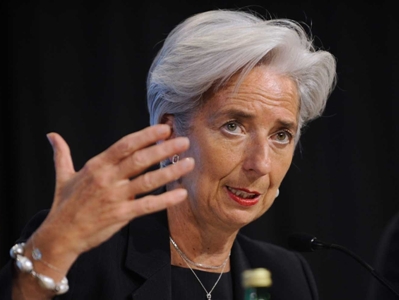
The European Central Bank may have to raise interest rates enough to dampen growth as part of its fight against runaway inflation. This was announced by the head of the ECB Christine Lagarde, Reuters reported.
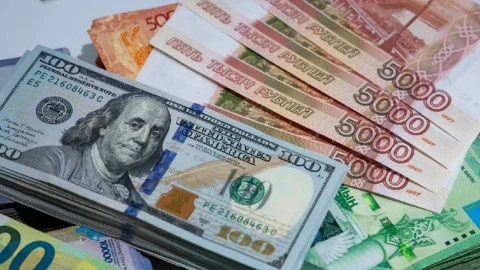
The ECB has raised rates by an unprecedented 200 basis points since July and has further tightened policy by raising rates, cutting its 5 trillion euro debt and more expensive bank financing.
Interest rates have been and will continue to be the main tool for adjusting the EU policies, she said.
Recognizing that interest rates remain the most effective tool for shaping our policy stance, it is appropriate to normalize the balance sheet in a measured and predictable way, she added.
The comments suggest that the eurozone central bank is seeking to passively reduce its €3.3 trillion asset-buying program, consisting mainly of government debt, perhaps putting it on autopilot instead of using it to actively manage ECB policy.
The ECB's deposit rate of 1.5% is close to the so-called neutral rate, in which the bank neither stimulates nor restrains growth. Most estimates of the neutral rate range from 1.5% to 2%, which suggests that there will be no accommodation after the expected December hike.
The problem is that inflation, at 10.6%, is well above the ECB's 2% target, and even a recession, which is almost inevitable in the winter months, is unlikely to ease price pressures enough to allow the ECB to release the brakes.