make preferable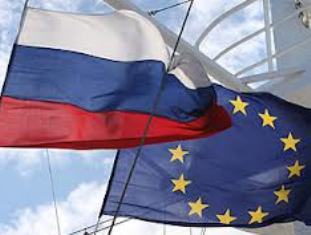
YEREVAN. - The vote in Ukraine’s Parliament on night of 21 November constitutes a major setback for the European Union’s external strategy to export stability into the neighborhood, political analyst Gunter Walzenbach told Armenian News – NEWS.am.
A senior lecturer at the University of the West of England, Bristol, Gunter Walzenbach noted it must be particularly disappointing for Sweden and Poland as the two member states having masterminded this policy, and, even more so, for the chief negotiators, Commissioner Stefan Fuеle, and the High Representative for the EU’s Foreign and Security Policy, Lady Ashton.
“The decision by the Yanukovych and Azarov government in Ukraine to halt the Association Process ahead of the Vilnius Summit adds to the general impression that Vladimir Putin by following his fairly traditional understanding of power politics and by using an authoritarian version of statecraft is able to win again”, he emphasized.
The expert believes instead of offering a truly credible alternative in terms of a Eurasian Customs Union, Russia’s major bargaining chip (here as elsewhere) appears to be rooted in the cheap delivery of oil and gas, and, presumably, has varied in the actual difference to prices paid on world markets.
From the expert’s point of view, it also suggests itself to connect the emerging debacle around the Eastern Partnership with the internal difficulties of the EU to speak with one voice and to formulate an effective and timely foreign policy response while simultaneously advocating principles of human rights and democratization.
“Yulia Tymoshenko remains an all too visible case of selective justice. Ukraine’s diplomatic maneuver now promises a re-invigoration of its notorious multi-vector foreign policy. Yet, EU member states are divided as to an adequate response to the new constellation. Should Brussels first sort out the increasingly strained relationship with Russia before embarking on any deeper relations with countries in the Eastern Neighborhood, or should European governments pass on their frustration directly to Ukraine by blocking further IMF loans?”, he wonders.
What makes the case of Ukraine more worrying than that of other former Soviet Republics, according to Gunter Walzenbach, is the country’s well-documented role as a pivot in the post-cold war distribution of power.
“In a situation where the Western alliance shows a few cracks of its own making, a series of diplomatic successes by the Putin administration may have sufficed to re-establish a genuine Russian sphere of influence. It is all the more damaging for the EU’s counter-model of legitimate prosperity to have faltered in the face of altogether six attempts to pass respective legislation in Kiev’s Verchovna Rada” he said.
The expert emphasized that, surely, the Ukrainian Parliament is no stranger to voting rituals, but in the eyes of the Western public the crumbling Eastern Partnership has made the country’s democratic credentials at least as doubtful as those of EU foreign policy making.