make preferable
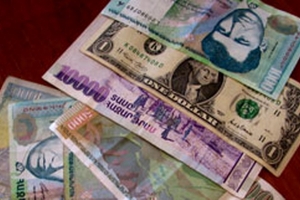
The AMD exchange rate has been relatively stable, ranging within 360-370 AMD/U.S. $1, with the AMD revaluating rather than devaluating. With the present trends considered, the AMD exchange rate is more likely to appreciate than depreciate – that is it is more likely to be lower than 360 AMD/U.S. $1 than higher than 370 AMD/U.S. $1. But only a few months ago, most Armenian commercial banks involved in a CBA-conducted survey forecast an exchange rate of higher than 370 AMD/U.S. $1 for this September.
The main reason for AMD revaluation is the USD surplus in the Armenian banking system. According to our estimates, the Armenian banking system has liquid funds totaling U.S. $400 at its disposal. The funds are the result of the CBA interventions early last year, when it tried to fix the AMD/USD exchange rate at 305 AMD/U.S. $1 to no avail.
The forecasts that the Armenian economy would “digest” the USD surplus within few months proved false. Moreover, Armenia has received about U.S. $2bn from abroad over the last 18 months, with part of the funds can in any way be found in the Armenian financial system, increasing the banks’ liquid funds.
De-dollarization of deposits has lately been in progress in the Armenian banking system – but the process is very slow. By July 2010, foreign currency deposits had constituted 72.8% of all the bank deposits against 73.3% lat December. If the de-dollarization gains in scope, the AMD/USD exchange rate may even be 300 AMD/U.S. $1. We are lucky that no serious de-dollarization process is taking place in Armenia, as it is fraught with financial shocks.