Preferred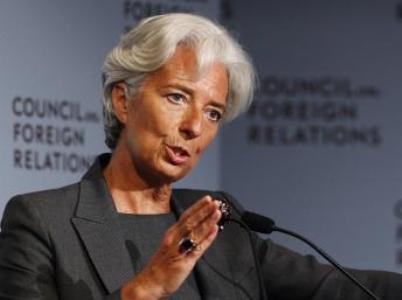
Corruption slows down economic growth each year more than tax evasion and unceasing poverty, reports Reuters referring to a conclusion of the International Monetary Fund (IMF).
According to the IMF research data, the world economy loses annually from $ 1.5 trillion to $ 2 trillion (about 2 % of the world GDP). The document, titled "Corruption: Lost and Mitigation strategies" says that the strategy to combat corruption requires transparency, a clear legal frameworks, real threat of persecution, and a strong commitment to deregulation of the economy.
“While the direct economic costs of corruption are well known, the indirect costs may be even more substantial and debilitating,” says the IMF chairman, Christine Lagarde.
In her words the corruption has “a broader corrosive impact on society.” It undermines trust in government and erodes the ethical standards of private citizens," Lagarde noted.
Without naming specific countries, the IMF, in its report argues that reliance on non-renewable natural resources, as well as conflicts over control of those can often encourage corruption.
The document, on one hand, emphasizes the need for tougher anti-corruption laws, but on the other hand, points that weakening of the legislative norms might limit bribery possibilities and give companies more opportunities for growth.
“Wherever discretion is granted to an official regarding the approval of an economic activity, there is a risk that this discretion will be abused,” says Lagarde.