Preferred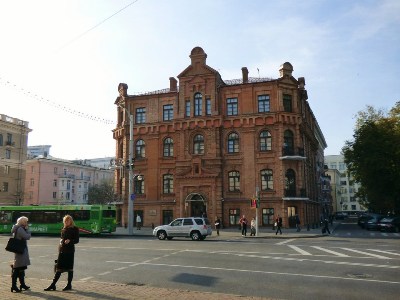
The court of the Eurasian Economic Community began functioning since January 1 of 2015 in Minsk . Armen Tumanyan, a judge that represents Armenia in the EEC, talking to Armenian News-NEWS.am about the activities of the court.
What is the purpose of the EEC Court?
The purpose of the court is to ensure an equal application of the EEC members’ decrees and international agreements among the member states and the third parties within the frameworks of the Community in accordance with the regulation adopted on May 29 of 2014.
What is the jurisdiction of the Court?
There are a wide range of cases under the jurisdiction of the Court . According to the EEC member states, the Court in accordance with the international agreements signed on May 29 of 2014 examines cases, complaints about the activities and decrees made by the EEC. The court also hears cases that include complaints of business entities about decrees and actions of the EEC , helps to interpret the law of the Union, as well as the norms that regulate working relations.
How are judges appointed and what is the nature of the EEC’s work?
The heads of states approve judges that will represent member states. According to the decision of the Supreme Council the terms of their office is nine years. This deadline ensures the independence of judges, based on the fact that they will be focusing on their job during all nine years. There is another judge who represent Armenia besides me , Erna Ayriyan. Today the EEC Court includes binary judges from the Republic of Armenia , Belarus, the Republic of Kazakhstan, and the Russian Federation.
On May 31 of 2016 the Supreme Council appointed judges from Kyrgyzstan, but they have not yet started their duties yet. Thus, the Court currently employs eight judges in the court and two collegial bodies that include one judge from each member state.
The collegial body (first instance court) examines the report submitted to the court. In accordance with the decision of the collegial body the complaint can be passed to the Appeals’
Chamber ( the second collegial body that compose four judges, the second instance court).
What kind of cases the court has already made verdicts on? Are there any requirements for businesses entities to be liable to apply to the court ?
The Court has in fact announced a number of verdicts. All the verdicts that had been reached in the first instance , were later appealed in the Appeals’ Chamber. The court made a verdict on impugnment of decisions, inaction of the of the EEC and made an advisory conclusion in regard to interpretation of the norms of working relations of the EEC employees. The are submitted more commonly claims by business entities. The entrepreneurs need to follow several condition in order to be eligible for applying. They need to be registered, have the right under their state law (the entities of the third countries also have a right to apply ). The decision or action which is claimed should affect their business activities directly and violate the rights of the Commission.