make preferable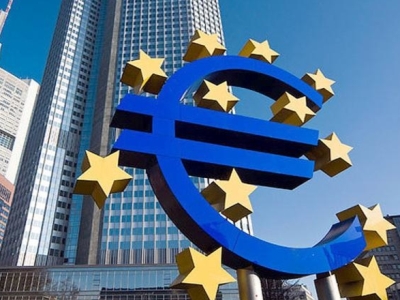
The European economy slowed markedly late last year as an increase in COVID-19 cases caused by the omicron option, coupled with supply shortages and rising energy prices, impacted consumer purchasing power. The result: an economic winter of discontent that may only end at the end of this year, AP reported.
Much of the slowdown has been in Germany, Europe's largest economy, where difficulties in supplying parts have hampered its export-intensive manufacturing economy. France, Spain and Italy showed stronger growth.
In the 19 countries using the euro, growth was 0.3% in the last three months of 2021, the European Union's statistics agency said. This is compared to a 2.2% increase in July-September.
It stood at 5.2% for the year, indicating that Europe's post-pandemic recovery has been slower than the recovery in the United States, which grew 5.7% in 2021. Growth in the US was helped by what economists said was a comparatively larger share of federal stimulus spending than in Europe.