make preferable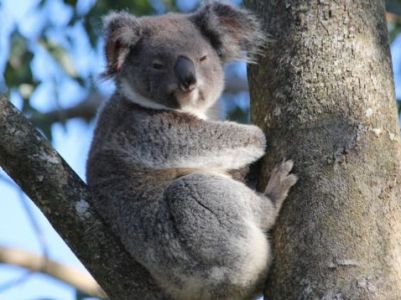
Australian authorities over the past 10 years have authorized the destruction of 25 thousand hectares of eucalyptus forests that served as habitats for koalas, mainly for mining. This statement was made on Tuesday by the Australian Wildlife Fund, TASS reports.
In the past 10 years alone, the Australian federal government has approved the clearance of more than 25,000 hectares of eucalyptus forests, the only habitat for koalas that have been considered vulnerable and endangered since 2012, according to the fund.
A study by the Australian Conservation Fund found that more than 60% of deforestation was destroyed for mining and coal, 12% for road construction and 11% for housing. But these figures are the tip of the iceberg, and the actual area of logging is many times larger, since land clearing for agricultural purposes is most often not taken into account at all, the fund said, noting that the real area of destroyed forests could be twice as large as declared by the authorities.
According to the Foundation's ecologists, the clearing area in Australia is growing every year, in most cases we are talking about eucalyptus forests, which are habitats for koalas.
The federal government continues to approve land clearing projects for mines, and national environmental legislation is too weak to stop the destruction of koala habitat, especially in Queensland and New South Wales (the east and northeast coasts of the continent.
According to the Australian Federal Department of the Environment, the population of koalas in the states of New South Wales and Queensland has declined over the past 20 years by 60% and 50%, respectively.
The species suffered the most as a result of the forest fires of 2019-2020, when, according to environmentalists, the koala population on the east coast of the continent decreased by at least 25-30% in three months. A parliamentary inquiry in 2020 found that koalas will become extinct before 2050 unless urgent action is taken to restore their numbers. In September 2021, the Australian Conservation Fund reported that no more than 80 thousand individuals remained in the wild of the continent, which puts the species at risk of destruction.