make preferable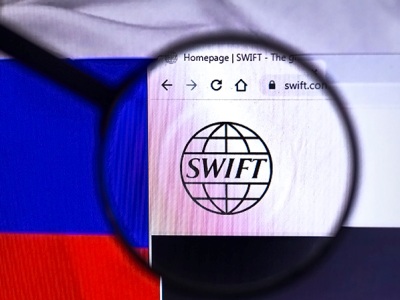
Germany has become a major obstacle to the expansion of European Union sanctions against Russia.
Berlin is the leading power resisting attempts to include Sberbank on the list of Russian financial institutions cut off from SWIFT, according to several diplomats familiar with the matter and the documents seen by Bloomberg.
Sberbank, which holds about half of retail deposits in Russia, was removed from the initial list as part of a decision to protect energy-related transactions, but calls for tougher sanctions have intensified from member states in Central and Eastern Europe.
The documents show that Germany has repeatedly called for caution regarding this move during diplomatic meetings that have taken place in recent days.
Chancellor Olaf Scholz has also publicly called for restraint on sanctions that could affect energy. He said this week that he opposes cutting off supplies from Russia, calling oil and gas supplies essential to the European economy and explaining that continuing energy imports is a conscious decision.
Germany's stance risks divisiveness in a key aspect of the allied effort to punish the Kremlin. President Joe Biden announced on Tuesday that the US would ban imports of Russian fossil fuels, including oil, in a move supported in part by the UK.
After a surprise German pledge to arms Ukraine and increase defense spending, the country is once again under fire as it seeks to protect its economy, which relies on Russia for more than half its gas and more than a third of its oil.
German officials are aware that pressure could increase to target energy supplies, but they are currently wary of escalating tensions and see other member states supporting this stance.
Finance Minister Christian Lindner said negotiations on additional financial sanctions were ongoing and nothing could be ruled out.
One of the EU diplomats said that other major Western European governments, including Italy, would join the decision on SWIFT if there was a common position. Senior EU officials also support the measure, one source said.
Another official said that technical work on Sberbank and SWIFT is ongoing. Gazprombank is another organization that has been exempt from this measure so far.
Germany has also expressed concern over proposed proposals to restrict access to ports, arguing that the measure could affect trade in non-sanctioned goods.
Germany and other countries also oppose the EU following the US and the UK in banning oil imports from Russia. European countries rely more on Russian fuel than the US, and governments are concerned about how this will affect businesses and consumers who are already suffering from rising prices.