make preferable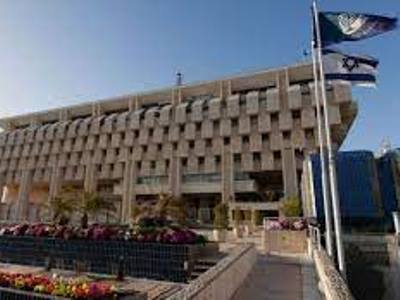
The Bank of Israel raised its benchmark interest rate by three-quarters of a percentage point on Monday, the biggest increase in two decades, and appears set to continue raising further in an attempt to contain inflation, which has topped 5 percent, Reuters reported.
The central bank raised its key rate to 2.0% from 1.25%, continuing a tightening cycle that began in April when policymakers first raised the rate from 0.1%, a historic low set at the start of the COVID-19 pandemic.
The likelihood of a 75 basis point rate hike increased last week when data showed Israel's economy grew 6.8% in the second quarter and annual inflation jumped to 5.2% in July, the highest rate since October 2008.
Central bank leaders say they are determined to bring inflation back within the government's annual target of 1-3%.
The last time the Bank of Israel cut its rate by three-quarters of a point was in early 2009. The last time it raised rates by at least that amount was in mid-2002.
The Israeli economy is showing strong growth, accompanied by a tight labor market and rising inflation, the Bank of Israel said in a statement.Therefore, the (monetary policy) committee has decided to continue the process of raising the interest rate.
The bank's own economists said they expect the key rate to peak at 2.75% in the second quarter of 2023. Another decision is scheduled for Oct. 3, before the Nov. 1 general election.
Inflation in Israel is still well below Western levels, but with rapidly rising prices and growing anger among Israelis, the cost of living has become a major issue for candidates in the run-up to the election.
The head of economics and research at Harel Insurance and Finance, Ofer Klein says they expect another half-percent increase on Oct. 3, which will also be affected by decisions by the U.S. and eurozone central banks to continue raising interest rates significantly in September.
The Israel Manufacturers Association, however, urged the central bank to suspend rate hikes in the coming months to examine the impact of previous hikes on credit consumption in the economy.
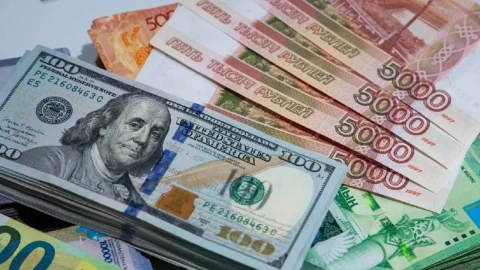
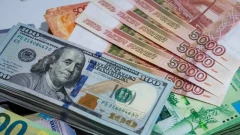
The shekel exchange rate was virtually unchanged at 3.28 per dollar following the rate decision.