make preferable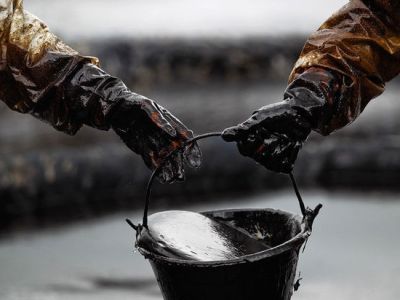
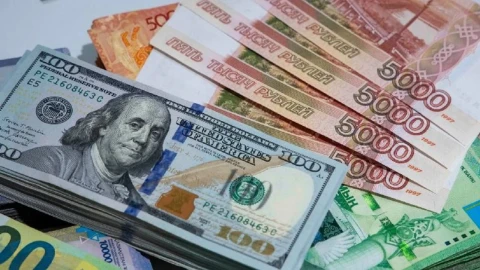
Russia's revenues from the sale of oil and gas amounted to 672 billion rubles, which is 3.4 percent lower than in the same period last year. This volume was the lowest since June 2021. Kommersant writes about this with reference to the statistics of the Ministry of Finance.
This result was obtained with an increase in prices for the Russian grade of Urals oil by 9.9 percent in annual terms, to $74.7 per barrel. However, the strengthening of the national currency led to a decrease in the cost of raw materials in ruble terms.
The main part of the budget revenues comes from the mineral extraction tax (MET) - 745 billion rubles. In addition, 43 billion rubles came from additional income tax (ATD) paid by oil companies, and 158 billion from export duties. The reimbursement of part of the excise amounted to 273 billion rubles, which gave the final amount.
In August, the average price of Urals was 4.7 percent lower than in July. Additional threats to this value are the intention of the G7 countries to introduce a price ceiling for Russian oil, as well as the entry into force of a partial embargo on Russian oil by the European Union.
The Russian authorities indicate that they will refuse to sell oil to countries that support the initiative of the G7 countries. However, this situation can complicate sales and lead to raw materials being sold at additional discounts.
Gas revenues are likely to decline in September. The complete shutdown of the Nord Stream gas pipeline has not yet led to a sharp increase in the cost of fuel, and Gazprom does not intend to supply via other routes, which means a decrease in sales.