make preferable
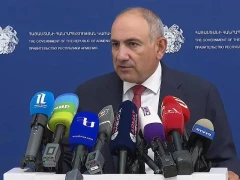
Our biggest problem is that we don't know what our cybersecurity challenges are. Armenian information security expert Samvel Martirosyan said this at a press conference Tuesday.
He considered it important what kind of system will be created in Armenia after the adoption of the law on the creation of the cyber environment in the country because the draft law is presented in a very abstract form.
"What does the state see under it? How will this work in a state system? The NSS [(National Security Service)] and the army are also linked to this. It is important to create such a system that it does not interfere with the work and interaction of all state institutions. During military operations, we cannot decouple the army from other state structures. The army and the rear should become one body, as possible attacks on civilian infrastructure will affect the military potential," Martirosyan said.
The information security expert reminded that the aforesaid bill proposed by the Armenian authorities provides that the authorized agency will deal with cybersecurity matters during martial law.
"A question rises: How will this civil body and the army interact with each other? It is difficult to include all aspects in one unified law, so sub-legislative acts will also be necessary," he emphasized.
Martirosyan explained that after the brief April 2016 war, Azerbaijan began to actively form hacking teams, and simultaneously used mercenaries from Russia, Ukraine, and some other countries.
"In 2020, everything became more serious. Baku began to engage the Turkish side as well, which has serious potential in this domain. In addition, major cooperation has been established with Israel, which is a threat to us [Armenia] not only from the point of view of supplying weapons to Azerbaijan, but also the realm of cyberspace," he concluded.