make preferable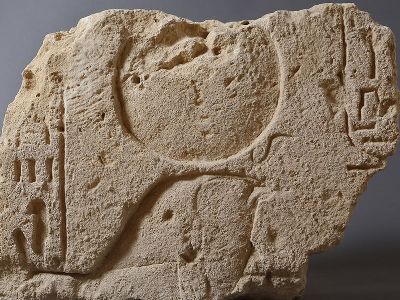
Archaeologists from the French National Center for Scientific Research (CNRS) have excavated the ruins of an ancient city that may be linked to Tutankhamun's father and Ramses II.
The 3,400-year-old settlement discovered in the Kom el-Nugus region is rewriting the history of this region. The study was published in the scientific journal Antiquity.
Initially, the archaeologists were studying a Greek necropolis (4th century BC), when they found traces of a much older Egyptian settlement. Among the finds is mudbrick dating to the New Kingdom (circa 1550 to 1070 BC), the temple of Ramses II, and private funerary chapels with military inscriptions.
"The quality of the remains, their planned organization around a street, could suggest a fairly large-scale occupation," said study author Sylvain Dhennin.
Of particular interest was the unique drainage system that protected the clay walls from water erosion.
One of the key finds was an imprint on a wine jar with the name of the reformer pharaoh Akhenaten and Queen Nefertiti’s daughter, Merytaton—also spelled Meritaten. This indicates the possible presence of royal vineyards in the city, guarded by military personnel.
Now, archaeologists need to determine the exact size of this settlement, its ancient name, and its role in the New Kingdom administrative system.