Preferred
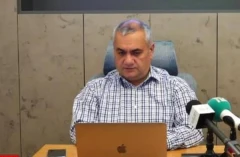
Armenia is one of the few countries “enjoying” energy surplus: the country’s energy-generating capacities are operating at only 30%, Armen Poghosyan, Chairman of the Consumer Association of Armenia, told a press conference.
According to him, the annual energy output is 5.5bn kw/h in Armenia. “Recently Armenia made, though belated, but right decision – one on energy export to Turkey,” he said. Poghosyan stressed that Arenia does not make any use of its “energy advantages,” while the entire world is struggling for energy resources.
Poghosyan also addressed everyday problems. He particularly spoke of the poor operation of urban electric transport in Armenia. He pointed out the need for more active operation of electric transport (trolleybuses and Underground). “It turns and out that the environmentally friendly vehicles are running empty in Armenia, while minibuses are overcrowded,” Poghosyan said. “I am sure the inconvenient itineraries are planned out on purpose, under pressure of the minibuses’ owners,” Poghosyan said. He also pointed out the advisability of construction of new undergrounds stations, which was planned in the Soviet times. “I do not think it is difficult for the Armenian Government to find an additional U.S. $4m for this purpose,” he said. Poghosyan stressed that, under the Yerevan master plan, minibuses are to constitute only 19.2% of public transport.
Karen Hakobyan of the Transport Department, Yerevan Municipality, said that 380 buses are operating in Yerevan, with 280 of them serving routes daily. Hakobyan said that Yerevan needs 800 buses, but the economic crisis made private importers stop purchasing them. As regards the empty electric transport, Hakobyan account for it by Armenians’ way of thinking – people prefer overcrowded minibuses than empty trolleybuses. He said that the operation of trolleybuses involves the installation of trolley wires, which requires financing. He also reported that the Transport Department is planning out new bus itineraries – buses will run from one end of Yerevan to the other through the center. He disagrees with the opinion that disabled vehicles (minibuses) serve routes in Yerevan. “It is untrue. Minibuses undergo biannual checkups, and motor mechanics examine them daily,” he said. As regards the Yerevan Underground, it has only one line, which accounts for it not “running at full capacity.” Poghosyan pointed out that public transport is subsidized by governments worldwide.