make preferable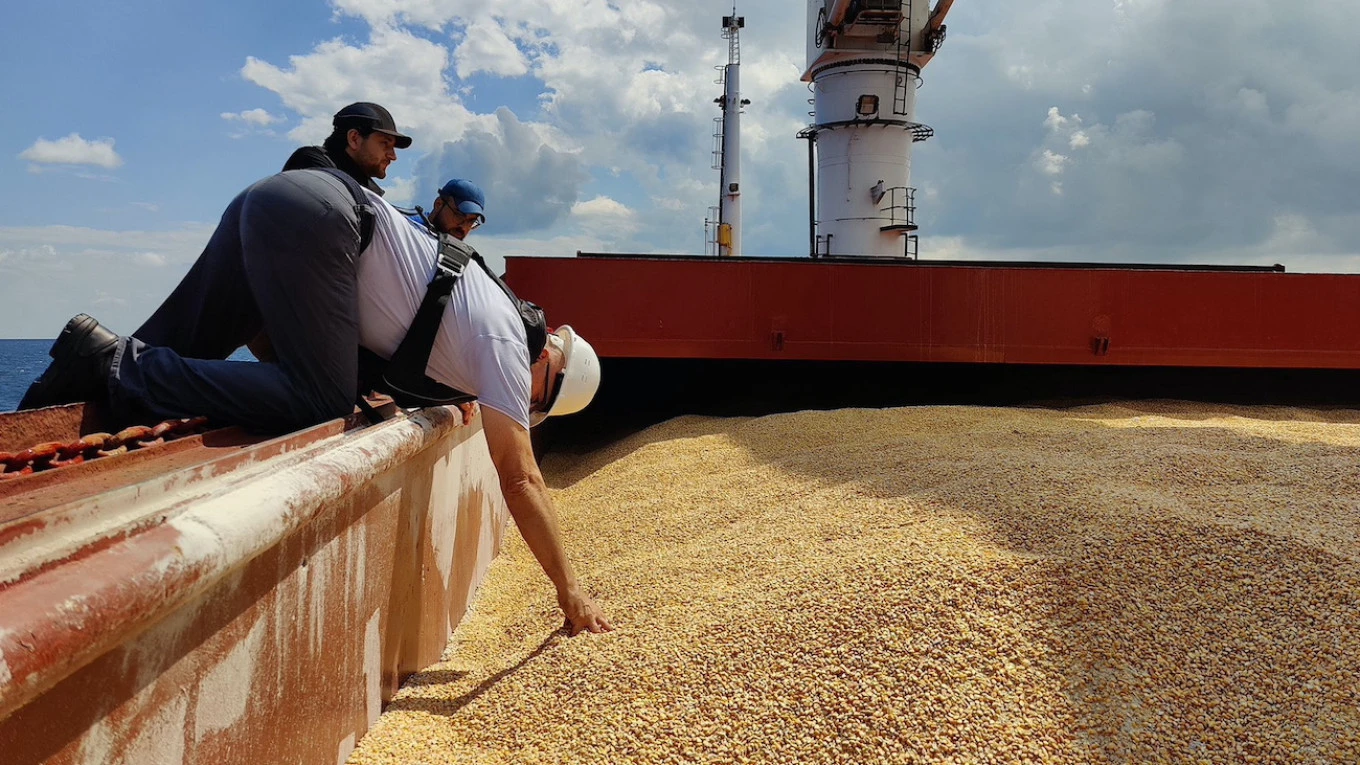
Ukrainian strikes in the waters of the Sea of Azov, which have affected more than 100 Russian vessels over the past 9 days, have paralyzed the operations of the ports of Azov and Taman, through which millions of tons of Russian grain were exported.
These two ports account for 15% of Russia’s grain exports and 17–21% of its vegetable oil exports, estimates Nikolai Lychev, managing partner at AgroTrend. Analysts at SovEcon put the share even higher — up to 25% of total grain and sunflower oil exports. Through the shallow-water ports beyond the Kerch Strait, trade is conducted with Middle Eastern countries, including Turkey, which buys nearly every fifth ton of Russian grain.
At the end of last week, according to Reuters sources, the Russian authorities notified shipping companies that they were no longer accepting applications for passage through the Kerch Strait, which connects the Sea of Azov and the Black Sea. On Tuesday, the Ministry of Transport and the Ministry of Agriculture of the Rostov region said they were looking for alternative routes for grain exporters, whose harvest campaign has recently begun.
Because of the late start to the harvest and logistical constraints, grain exports in July will be 20% lower than planned, according to analysts at IKAR: 2 million tons instead of 2.5 million. Part of the exports paralyzed in the Sea of Azov can be redirected to deep-water ports: they can ship 4–4.5 million tons per month. That will be enough in July, notes SovEcon CEO Andrey Sizov, but in August, at the peak of the export season, shipments reach 5–6.5 million tons per month.
Grain exports will have to be restructured "on the fly" — that is, at the very peak of the season, amid a late harvest and a fuel crisis, and this is an "almost impossible task," believes Lychev of AgroTrend: "For the flow to move along a new route, stations, terminals, and ports need to be ready to handle these volumes. If a ‘bottleneck’ arises somewhere (a lack of capacity for unloading or transshipment, etc.), it will slow down the entire delivery process."
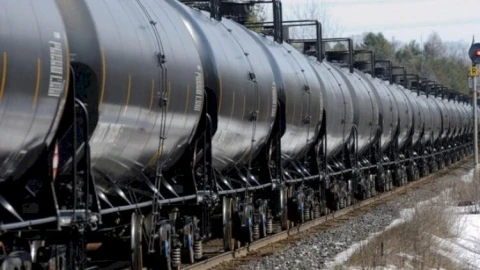
According to Lychev, without subsidies, business will not be able to shoulder Russian Railways’ tariffs and costs such as the Platon road toll system. Moreover, it is not certain that Russian Railways will be able to provide additional railcars, the expert emphasizes.
Logistics will have to be reorganized amid a fuel shortage, a source at one of the agricultural companies told Kommersant. According to him, farmers may be forced to stockpile the harvest in inland grain elevators, which will lead to a grain surplus and lower domestic prices.