make preferable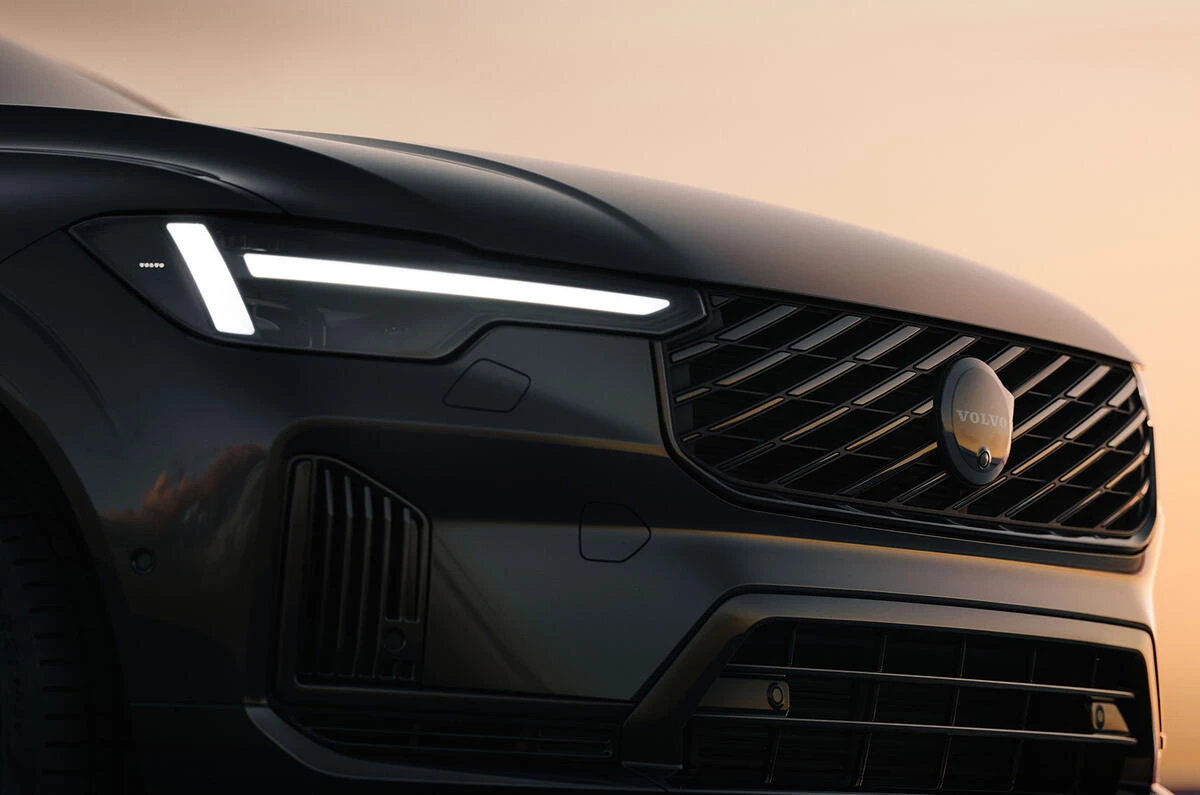
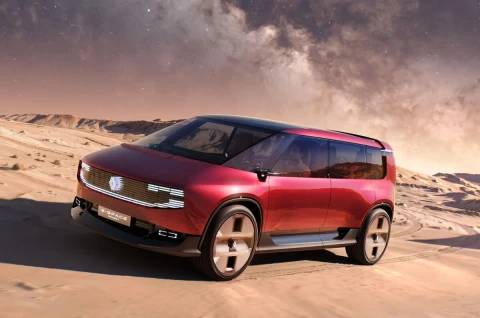
Volvo will launch 13 new cars by the end of 2030 in what it calls the “largest and most ambitious” range expansion in its history, Autocar reports.
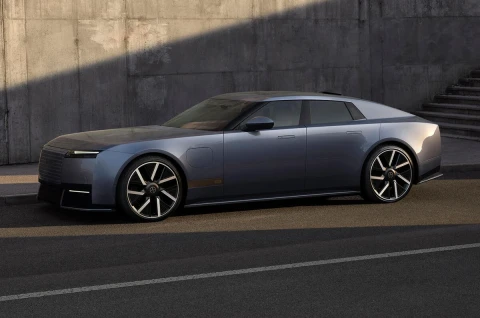
Among the new products will be electric cars and hybrids, and Volvo intends to actively use the brand’s traditional body styles: saloons and estates again.
The model range will be divided taking into account the specifics of different markets. For Europe and other Western countries, the company will prepare seven new cars, and another six models will be developed specifically for China, in conjunction with its parent company Geely. Volvo explains this regional approach by the differences in the pace of transition to electric vehicles, trade tariffs, technological limitations, and customer preferences.
In Europe, Volvo intends to maintain a fully electric lineup until 2030, and this will include both new SUVs and low-body cars: saloons and estates. At the same time, the same model, depending on the specific market, can be offered with a fully electric powertrain, a plug-in hybrid, or a regular hybrid system.
At the same time, Volvo does not give up on those buyers who are not yet ready to switch to electric vehicles. The company is developing a third-generation hybrid system. Recently, Volvo has already increased the battery capacity of its XC60 and XC90 hybrid versions: their electric range now reaches 124 miles, or about 200 km.
The new cars will be built based on the existing SPA2 and SPA3 architectures, which the company says will help reduce development costs. They will include models for the European market and separate cars aimed at the US market.
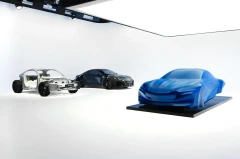
Also, Volvo promises a new direction in design. The carmaker's management estimates that by 2030 its showrooms will be significantly different from the current ones.
In addition to expanding it model range, Volvo intends to change its sales approach. The company promises more transparent prices and cars that will be ready for rapid delivery. But at the same time, its strategic goal remains unchanged: to increase its share of the fully electric car market and ensure operating profit growth.