Preferred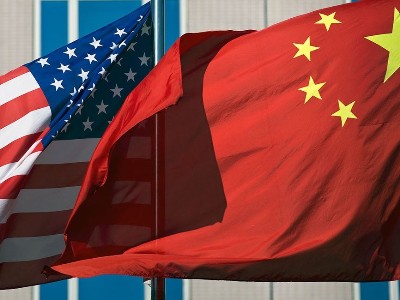
Having long been at loggerheads over trade, technology and capital markets, China and the US are turning their attention to climate change as the next path to commercial supremacy, CNBC reports.
China outspent the U.S. by nearly 2-to-1 on energy transition-related investment between 2010 and 2020, according to BNEF data cited by Bank of America’s ESG Research team in a report last month. Pressure points including “supply chain dominance, domestic-focused manufacturing policies, human rights-related laws and carbon-related trade tariffs,” BofA analysts said.
BofA managing director of research Haim Israel said a “climate war” between Washington and Beijing would follow the tech war and trade war as climate change becomes the dominant economic and political theme of the coming decades. “It’s not just about saving the planet. We believe climate strategies offer a route to global supremacy, as much more is at stake here: the economic impact of climate could reach $69 trillion this century, and energy transition investment needing to rise up to $4 trillion per year,” Israel said in a research note in February. “Energy independence and supply chain control are also at stake with the geopolitical balance of power also linked to peak oil in 2030.”
Israel told CNBC that the U.S. would look to ramp up legislation, innovation and capital flows into renewable energies such as wind, solar, batteries and hydrogen.
“We also see a ramp-up in electric cars. Remember that today, give or take, 50% of all oil in the world is allocated to the transportation market, and cars is a big part of it. So whoever will control EVs and EV technology will definitely have a big advantage going forward,” he added.
Harry Broadman, managing director and chair of the emerging markets and CFIUS practices at Berkeley Research Group, told CNBC last week that developed countries’ ability to create, execute and sell products that advance the climate agenda without negatively affecting the labor market would shape the economic landscape in the coming years.