make preferable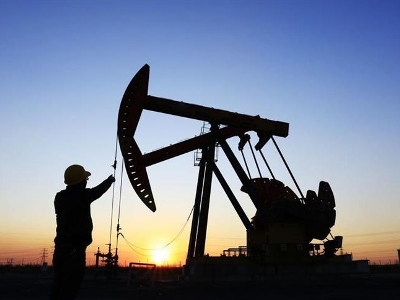
Oil prices are likely to rise to $125 a barrel in 2023 despite the latest G7 deal to cap Russian oil prices, Goldman Sachs writes Business Insider.
Any price cap would be bearish in theory and bullish in practice for oil prices due to the fact that Moscow could react by reducing exports to the G7 countries.
In line with the actions taken in the natural gas market, Russia could retaliate by cutting off G7 buyers and shutting down production, pushing global prices and its own revenues even higher, said a team of strategists led by Goldman’s head of energy research.
The G7, which includes Canada, France, Germany, Italy, Japan, the United Kingdom and the United States, has announced that it will impose a price cap on Russian oil by December 5.
Finance ministers hope the restrictions will cut Russia's revenue from crude oil exports without cutting off Western countries from their main source of energy as fuel prices continue to rise.
But Goldman warned that any price cap would likely work differently in practice as Russia is likely to retaliate with sanctions.
Russia has already rebuffed Western sanctions, turning European natural gas markets upside down. It has halted gas flows through key pipelines such as Nord Stream 1, causing underlying prices to rise by more than 200% since June.
The Kremlin has said that Russia will stop exporting oil to any country that tries to impose a price cap.
Brent crude rose 2.70% to over $95.50 a barrel on Monday, while WTI rose 2.51% to just over $89 a barrel.