make preferable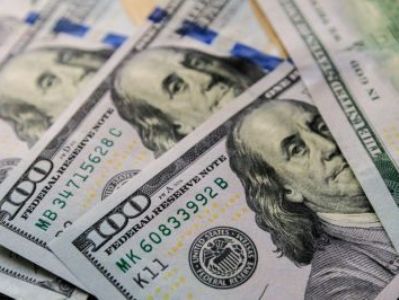
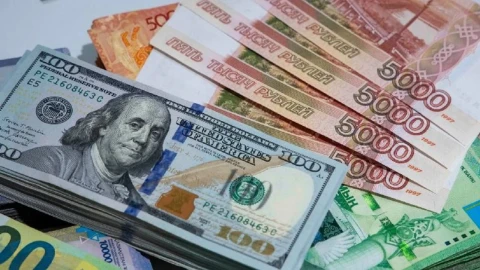
The US dollar could be closer to peaking than markets think, even as inflation rages and the Federal Reserve remains hawkish, according to Goldman Sachs, Business Insider reported.
The greenback has soared this year, pummeling rivals like the euro, yen, and yuan, thanks to the Federal Reserve's aggressive rate hikes. The central bank has raised its policy rate by 300 basis points so far this year as it scrambles to get a lid on inflation and is expected to keep raising them until next year.
To get a sense of where the dollar is headed, Goldman Sachs looked at previous peaks, and history suggests they coincided with US and global growth bottoming out along with an easing Fed. That suggests a peak in the dollar is nowhere near, as the bank doesn't expect the Fed to start cutting rates until 2024.
But examples of dollar peaks in the 1970s and 1980s may be more applicable to today since those periods also saw high inflation, analysts said.
"It may make sense to overweight the experience of the mid-1970s and the mid-1980s, when inflation was similarly high," the note said.
The 10-year Treasury yield reversed steep gains and ticked down, while the dollar turned lower against the euro, yen and pound. That came after Philadelphia Fed President Patrick Harker warned on Thursday the Fed would keep raising rates "for a while."
Goldman Sachs said the dollar may peak next year, instead of 2024 as other historical examples may indicate.
"At some point in the first half of 2023, we may see a confluence of these factors: we could be through the worst of Europe's winter recession, a new leadership at the BoJ may gradually start to tighten policy, and China's zero covid policies may be on their way out, at the same time as a peak in US rates is finally coming into sight alongside some moderation of US inflation and the labor market. But we are not there yet," according to the note.