make preferable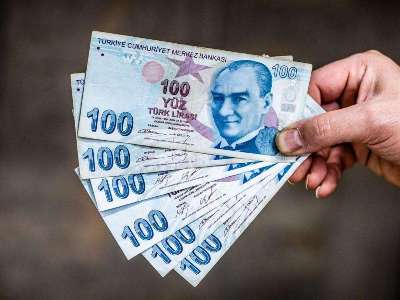
Turkey's central bank is likely to raise its year-end inflation forecast after a series of unorthodox interest rate cuts that led to higher prices, but few will take it seriously, Bloomberg reported.
The quarterly inflation report, once a key event on Turkey's economic calendar, has become insignificant because the bank has repeatedly painted too rosy a picture.
Central Bank Governor Sahap Kavcioglu is expected to revise the baseline consumer price scenario for the next two years, even as he moves to cut rates to single digits next month amid President Recep Tayyip Erdoğan's push for extremely low borrowing costs.
The bank's forecasts have no chance of being confirmed, said Senol Babuscu, professor of finance and banking at Baskent University in Ankara, adding that he expects year-end inflation estimates to rise to about 70 percent, below his own forecast. around 80 percent.
The bank's last report in July projected inflation at 60.4 percent by the end of the year, well below economists' expectations. At the time, Bloomberg Economics estimated year-end inflation at 69%, but now sees it at 75%.
The central bank's track record indicates an underestimate of inflation of 13% in recent years and 10% over the long term. Given this margin of error, the likely range of the forecast is 65%-68%, up from the 60.4% forecast made in July, but still well below our estimates. The base effects should help price growth fall from its 24-year peak, but not as fast as the authorities expect, said economist Selva Bahar Baziki.
The central bank has cut interest rates by 350 basis points since July, to 10.5 percent last week, even as inflation topped 83 percent in September.
Turkey has sought to grow its economy by capitalizing on a weak lira to make its exports more attractive, but its policies have done little to achieve price stability. Over the past year, the lira has lost nearly 50% of its value against the dollar.
Kavcioglu blamed the rise in prices on the delayed and indirect effects of rising energy prices. He said inflationary pressures will subside once a global peace is established.
Instead of orthodox policies, the bank relied on additional and indirect measures to manage credit growth and encourage greater use of local currency.