make preferable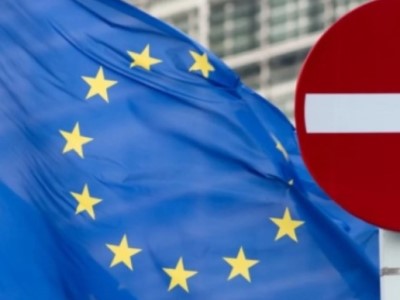
European Union member states are making desperate efforts to agree on a natural gas price cap plan that has divided governments for months as the region grapples with an unprecedented energy crisis, Bloomberg writes.
Energy ministers meeting Monday in Brussels are discussing the Czech Republic's latest draft compromise to lower the cap to 180 euros per megawatt hour.
Most member states want to lower the cap on the European Commission's proposal. The question now is by how much. Germany, the region's largest economy, has called for caution about excessive market interference.
Failure to reach a deal risks postponing the debate until next year, when winter is in full swing, so ministers are rushing to act now. Indicative Dutch gas futures are currently trading around 110 euros per megawatt hour. However, a sudden cold snap or any further supply disruptions could cause prices to skyrocket again.
Czech Industry Minister Jozef Sikela said he "strongly" believes a deal is possible after EU leaders last week backed a quick agreement. The EC said the cap should be a deterrent, not a tool to be actively used. It is not aimed at artificially setting prices, but at preventing price spikes.
The market entry proposal, which a group of member states demanded back in the spring, has sparked deep disagreement among governments over how to contain the crisis caused by declining gas supplies from Russia.
In recent weeks, Germany has insisted on a cautious approach because of concerns that it could jeopardize supply security, while Belgium, Greece, Italy and Poland have demanded a more aggressive instrument with a maximum price of 160 euros.
"Today we have to agree on a mechanism which will prevent the European households and businesses from high gas price spikes that we have seen during the last summer," Sikela, who will chair the meeting as his country presides over the EU, told reporters. According to Sikela they offer a solution that should satisfy both: those who call for restrictions and those who fear them.
At stake is the future of the $17 trillion EU economy, where high energy prices have already spurred inflation and threaten to push the region into recession. The crisis has hit the budgets of European governments hard, as one estimate is that they have allocated more than 700 billion euros to help companies and consumers. But they remain under pressure from voters.
“No one, least of all me, has anything against low prices on the gas market -- we have to bring gas prices down,” German Economy Minister Robert Habeck told reporters, adding that he hoped for a solution.
While the draft ruling on the price cap formally requires the support of a qualified majority of member states, the Czech presidency has tried to find a broader compromise. But Sikela did not rule out a vote on Monday if his attempts to gain the support of all member states failed, effectively overcoming German opposition.
The agreement to cap gas prices would also open up access to a broader package of measures to curb high energy prices that have hurt businesses and consumers. Gas and electricity prices soared to record levels earlier this year after Russia cut off supplies.
According to the latest Czech draft compromise, the so-called gas market adjustment mechanism will be triggered when contracts one month ahead for TTF exceed 180 euros per megawatt hour for three working days. It also requires that the gap with a predetermined basket of prices for liquefied natural gas exceed 35 euros.
In addition, the new draft allows the commission to stop intervening in the market if it undermines EU measures to reduce gas demand. The executive body will also immediately suspend the mechanism if it threatens security of supply. Germany and some other countries have expressed fears that price caps in Europe could make the region less attractive to sellers around the world at a time when the EU is seeking alternatives to Russian supplies.
"Today is crunch time, so let's make sure to get everyone on board to get a compromise that actually works," said Miriam Dalli, Malta's minister of environment, energy and entrepreneurship.