make preferable
The International Energy Agency (IEA) warned that the escalating conflict in the Middle East is heightening concerns about the stability of global energy supplies, although exports from the UAE and Saudi Arabia are so far helping shield the crude oil market from sharp shocks.
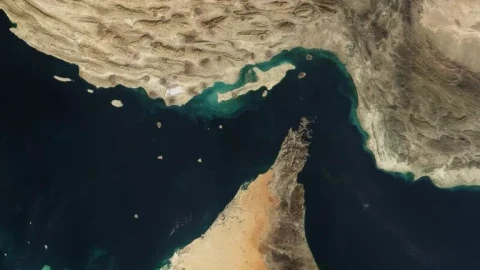
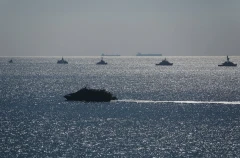
In a statement published on Tuesday, IEA Executive Director Fatih Birol said the agency is closely monitoring the situation in the oil markets following the latest developments around the Strait of Hormuz — a key artery for global energy transit.
“The escalation of hostilities affecting the Strait of Hormuz and the region’s energy infrastructure is increasing risks to supply security and adding uncertainty to the market outlook,” Birol said.
He added that threats in the area of the Bab el-Mandeb Strait, which had been viewed as an important alternative route for exports from the Gulf states, are only worsening existing concerns.
Exports from the UAE and Saudi Arabia support the market
Despite rising tensions, Birol stressed that the crude oil market continues to benefit from a number of factors mitigating the negative impact.
These include substantial supply volumes from Gulf producers, primarily Saudi Arabia and the United Arab Emirates. Both countries continue to export oil via alternative routes bypassing the Strait of Hormuz, although some tankers still pass through the strait itself.
According to the IEA, although exports from the Gulf countries have declined from the peak levels seen at the end of June, they remain significantly above the levels recorded from early March to mid-June.
The agency also noted that rising oil exports from the United States, Brazil, Venezuela, and Kazakhstan have helped partially offset supply losses from the Gulf region.
On the demand side, an additional stabilizing factor was China’s reduction in crude oil imports by nearly 50% compared with pre-war levels, which also eased pressure on global markets.