make preferable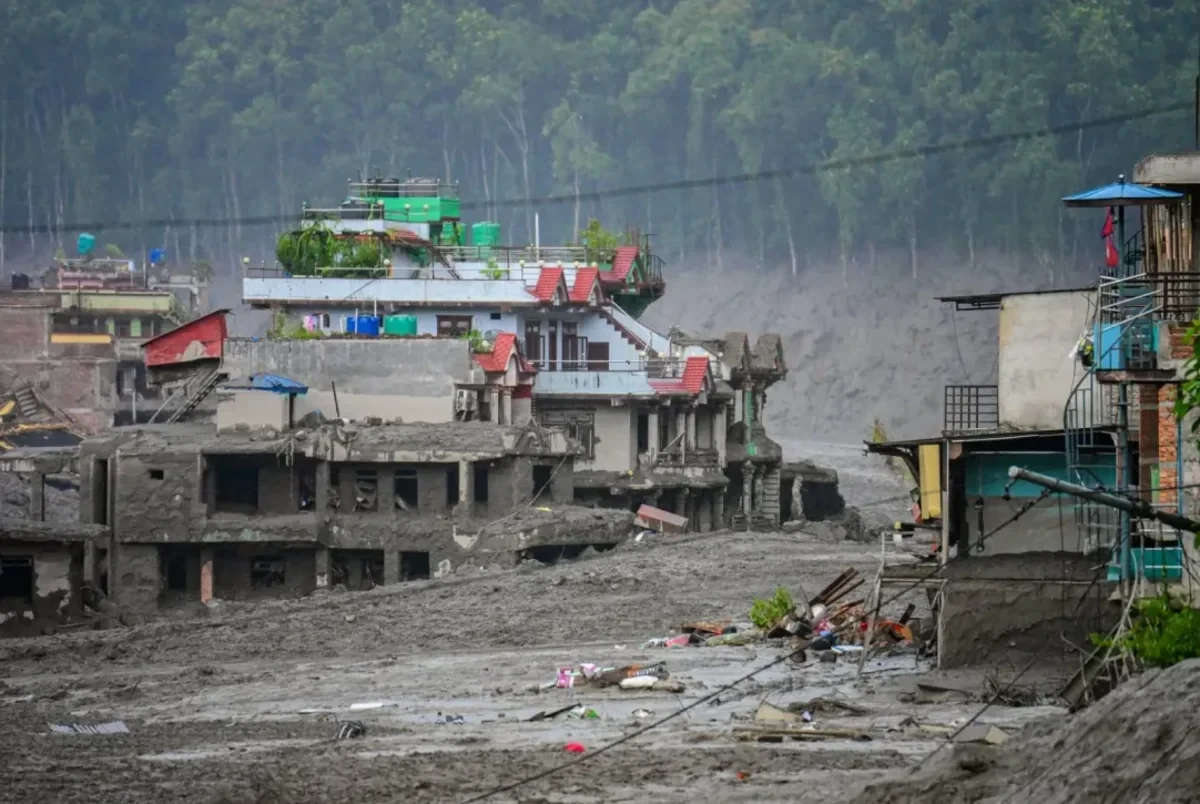
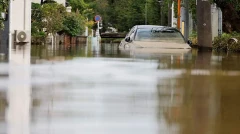
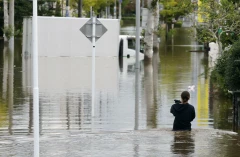
Nepal will have to rebuild nearly 20,000 homes and relocate several settlements in flood-ravaged areas, Reuters reports.
At least 1,204 people were killed in the natural disaster and more than 4,200 remain missing.
Nepal's National Disaster Risk Reduction and Management Authority has provided an initial assessment of the extent of the damage.
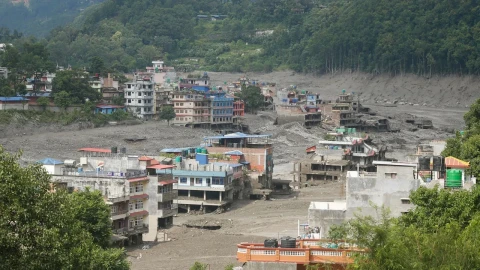
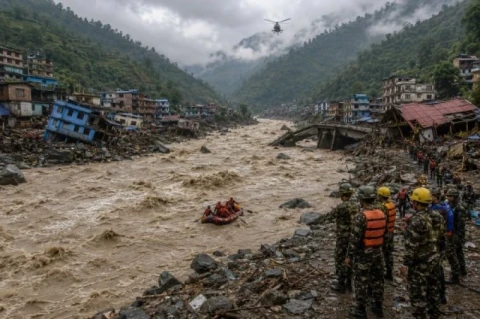
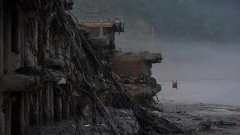
A glacier collapse on August 26 sent a deluge of ice, rock and mud sweeping through the impoverished nation's border region with China, wiping out settlements and villages and leaving few houses standing and undamaged.
"Our preliminary estimates are that 7,500 houses have been completely destroyed, either washed away or buried under debris and mud," Dharma Raj Upreti, chief of the National Disaster Risk Reduction and Management Authority, told Reuters.
Even houses still standing were not habitable, Upreti said, with authorities estimating that around 20,000 houses would have to be rebuilt.
"There is no point in rebuilding the houses in the same locations, as that would expose people to the same risks," Upreti said.
Authorities were working to identify safer areas where new houses can be built and settlements relocated, so that people are not exposed to similar disasters in the future, he said.
Nepal's Prime Minister Balendra Shah said on Wednesday that his government was focusing on rehabilitation and rebuilding efforts while continuing to look for survivors among the thousands still missing.
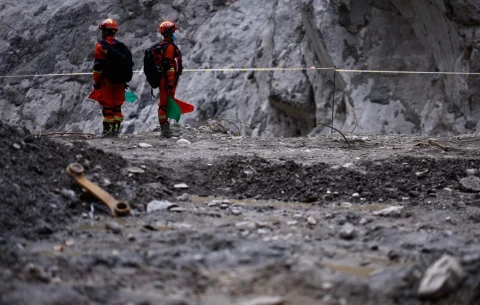
An army officer involved in the search-and-rescue operation said the search was continuing for survivors believed to be trapped in the tunnels related to hydropower projects.
"The search-and-rescue operation will continue as long as there is any hope of finding survivors. Even if there are no survivors, we will recover the dead bodies," he said.