make preferable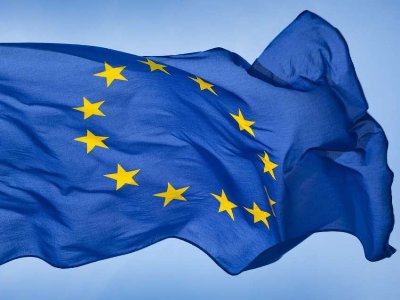
The EU intends to halve the use of pesticides in the industrial complex to protect the environment and human health, Reuters reported.
“If the corona-crisis has taught us anything, it is that we have to recalibrate our relationship with the natural environment, we have to become more resilient,” EU climate chief Frans Timmermans said.
This initiative envisages a 50% reduction in the use of chemical pesticides, 20% in mineral fertilizers, and a 50% reduction in the use of antibiotics and their substances in livestock and fish farming by 2030. The European Commission also intends to set a hard limit of 25% of all agricultural land in the EU, which must be transferred to 100% organic agriculture. To carry out these measures for European farmers, the European Commission intends to use the shocks of the current crisis of the coronavirus.
If this strategy receives the approval of the European Parliament and all 27 EU states in the EU Council, then its implementation should begin in 2021. The European Commission provides that from 2021, when the next seven-year budget cycle (2021-2027) begins in the EU, most of the agricultural subsidies within the Common Agricultural Policy will be provided organic agriculture development projects.
The implementation of this strategy can significantly improve the quality of agricultural products and reduce its harmful effects on human health. It will reduce human addiction syndrome to antibiotics when consuming substances containing antibiotics accumulated in the tissues of domestic animals. This process leads to a decrease in the effectiveness of the medical use of antibiotics and the emergence of antibiotic-resistant pathogens.
The EU environmental lobby is actively supporting this strategy, while the agricultural lobby is struggling to slow down its implementation. The problem is that the implementation of these requirements will simultaneously lead to an increase in the cost of agricultural products and significantly increase the complexity of its production, which will require either attracting a large number of new workers to the low-paid agricultural sector or purchasing expensive equipment.
If the implementation of this strategy does not lead to the bankruptcy of the European agricultural complex due to an increase in the cost of production, the result will be an increase in consumer prices for products and the disappearance of excess agricultural products produced in the EU. But this will create a large number of low-quality jobs with minimal wages and a low educational threshold for workers in anticipation of the sharp jump in unemployment that the European Commission expects in the EU in the second half of the year.
The long-term result of the implementation of this strategy will be an increase in the veterinary and phytosanitary standards of the European agricultural market. This will allow Brussels to almost completely block the access of foreign products to this market even from those states with which the EU has free trade deals.