make preferable
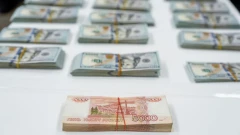
The sanctions imposed on Russia have significantly increased the likelihood that the country will default on its dollar and other government debt in the international market, JPMorgan analysts have warned.
Russia is due to redeem more than $700 million in government bonds this month. While in theory it has enough reserves to cover the debt, in practice freezing some assets and other measures could affect its solvency.
United States sanctions on Russian government entities, countermeasures within Russia to limit overseas payments, and disruptions in payment chains create significant barriers for Russia to make bond payments abroad, JPMorgan said in a note to customers.
Sanctions have significantly increased the likelihood of a default on Russian government bonds in hard currency.
According to JP Morgan analysts, the first crucial date is March 16, when two coupons on the bonds are due, although, like most Russian bonds, they have a 30-day grace period built into them that will push back any formal moment of default to 15 April.
Russia's international market debt, or hard currency, is known to be a little under $40 billion. Although this is a small amount for the economy, any missed payment will set off a chain of events.
JPMorgan estimated that about $6 billion in credit default swaps (CDS) that bondholders bought as insurance policies would also need to be paid back, although the process could be complicated in the event of further debt sanctions.