make preferable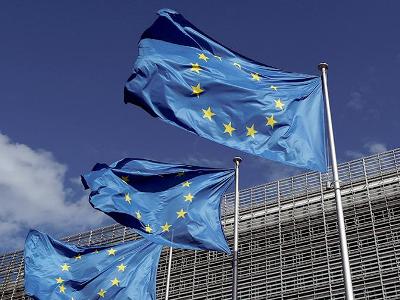
The European Commission is considering giving the landlocked states of Eastern Europe more money to upgrade their oil infrastructure to persuade them to agree to an embargo on Russian oil, Reuters reported, citing an EU source.
The measures are part of a broader package of new sanctions against Russia, but an agreement on the size of the investment is still needed to pass a legal text, the source said, adding that another sticking point is Cyprus' concerns over a proposed ban on property sales to Russians.
A new version of the Russian sanctions package currently being drafted is likely to lift the ban on EU tankers carrying Russian oil after pressure from Greece, Cyprus and Malta, the source said.
However, EU companies will be prohibited from offering insurance and other financial services to transport Russian oil around the world, the source added, noting that at this point the original proposal would remain unchanged.
While most EU countries will have to fully implement the Russian oil embargo by the end of the year, Hungary - one of the most vocal critics of the new sanctions package - has already received an exemption before the end of 2024, as did Slovakia and the Czech Republic until mid-2024.
The three countries are the only landlocked eastern EU states and therefore risk more severe economic repercussions from a Russian oil ban.
EU officials say their concerns are legitimate and are now considering spending more than originally planned to upgrade and expand pipelines that will bring oil from other EU countries.
The source declined to comment on the size of the investment, but noted that they are not in the billions of euros, but much less.
The EU is withholding 7.2 billion euros from EU COVID recovery funds for Hungary due to concerns over the rule of law, and diplomats have said Budapest may be trying to link oil embargo talks to the payment of blocked funds.
Rejecting this, the source said there would be additional funding for pipeline investment, and there is still debate as to whether the money could also be used to upgrade refineries in Eastern European countries, many of which can currently only process Russian oil. .
Another open question was about Cyprus, where many Russians have invested in property, which the EU wants to ban under the new proposals.
According to the source, negotiations are underway on legal issues that would allow finding a compromise on this issue.
A ban on insurance and other financial services for tankers carrying Russian oil is seen as a potential major barrier to Russian oil exports to China and other trading partners outside the EU, but it is not clear how effective it will be.