make preferable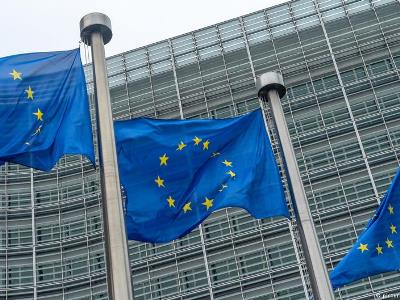
The European Commission wants to exclude Hungary from an EU bid for a global minimum corporate tax rate of 15 percent.
Four officials from national EU finance ministries told POLITICO that European Commission officials are in contact with counterparts in other European capitals to assess their attitude toward a so-called enhanced cooperation agreement that would override Budapest's veto of the initiative.
The tax bills require unanimity to pass through Brussels' legislative mechanism, giving any EU country the right to block them. But extended cooperation would allow member states supporting the measure to make progress without the need for unanimity, leaving Budapest in the lurch.
According to one official, if the plan gains support, the European Commission could present the enhanced cooperation initiative to the finance ministers meeting in Luxembourg at the monthly Ecofin meeting.
Implementing the historic international minimum tax agreement remains a top priority for the European Commission, the EU official said.
Hungary's veto power over the tax rate embarrassed Brussels. EU institutions had hoped to quickly implement the global initiative and set the pace for the more than 130 countries that also supported the agreement, including the U.S., China, India and Britain.
The Organization for Economic Cooperation and Development organized the initiative as part of a package of corporate tax reforms designed to make tax havens useless and ensure that global companies and tech giants pay their fair share of taxes.
The bipartisan package consists of a tax rate for multinationals and a measure to ensure that the world's 100 largest companies pay their fair share of taxes.
G20 leaders approved the package last fall, but the OECD is still putting the finishing touches.
EU finance ministers almost agreed to the text in April, if not for Poland. Finance ministry officials were quick to accuse Warsaw of holding the bill hostage because of a dispute over the rule of law that caused the Commission to withhold Poland's share of the €800 billion EU pandemic recovery fund.
The dispute with Warsaw was settled in June. But Hungary then followed suit. The Czech finance minister visited his Hungarian counterpart in August to discuss a way out of the impasse, but left the country empty-handed.