make preferable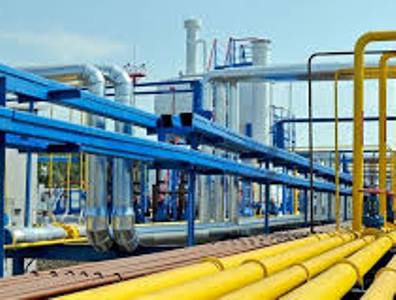
Just a few months ago, it would have seemed like an unimaginable scenario: Russia halted natural gas flows to Europe through the Nord Stream pipeline, plunging the continent into a new era of uncertainty that has affected markets, Axios writes.
The interruption of the gas supply is highly predictive of a drop in economic growth in Europe, as a number of industries that depend on Russian gas are forced to cut production.
German chemical giant BASF recently warned of growing cuts due to rising energy prices.
France's largest aluminum smelter said Tuesday it would cut production by about 20 percent.
The consequences: the euro fell to a new 20-year low against the dollar. The British pound fell to its lowest level against the U.S. dollar since 1985.
European government bond yields, which determine the cost of borrowing for national governments, have risen as investors factor in the risk of more new borrowing to finance anti-crisis measures.
For decades, Europe - especially Europe's largest economy, Germany - relied on Russian natural gas to produce heat and electricity.
Now Europe is forced to rebuild its energy system on the fly, using an untested and expensive combination of price controls, rationing and financial aid to survive the next few months.
Analysts believe Russia wants to inflict economic and financial misery this winter to undermine European solidarity and support for Ukraine.
In recent days, countries across the continent have sought to shore up their energy systems in the face of rising costs for consumers and companies.
On Tuesday, Switzerland gave about $4 billion in aid to its local utility, Axpo Holding, joining Germany, Finland, Sweden and Austria in supporting utilities.
Over the weekend, Germany unveiled a new package of about $65 billion in consumer support.
In France, the government is calling for drastic cuts in energy consumption, with rationing plans being prepared if voluntary cuts are not enough. In Britain, the new prime minister, Liz Truss, is expected to unveil a plan to protect households from rising gas prices, which is expected to cost an estimated £100 billion.