make preferable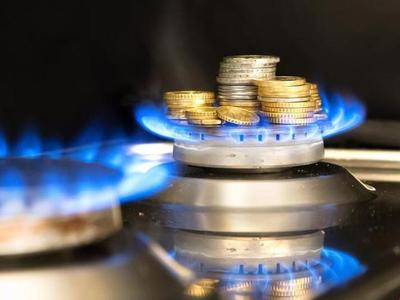
Germany's hopes of being able to negotiate more gas solidarity agreements with its European Union partners beyond those already in place with Denmark and Austria are fading, which could be an additional hurdle to Berlin's ability to mitigate the energy crisis.
Germany's neighbors Belgium, Luxembourg, the Netherlands and Poland refuse to engage in constructive negotiations about such bilateral deals, German Economy Minister Robert Habeck said in a report to lawmakers seen by Bloomberg.
This could exacerbate Germany's gas crisis because a substantial building block of EU resilience to the gas crisis in the form of bilateral agreements would not be available, Habeck said in the document, which he presented to the Bundestag energy and climate committee.
Such deals between EU member states are part of a larger EU mechanism that outlines the actions to be taken in the event of a gas emergency. They guarantee that one country will supply another with gas if that state runs out of gas or does not have enough gas to supply households and social services, which enjoy special protection under EU law.
Germany is negotiating with Italy and the Czech Republic, but talks with Rome have been postponed until after the elections later this month.
The agreement with Italy would be a trilateral deal with Switzerland, as gas would have to transit through that country to Germany.
In the report, Habeck also mentioned a recent phone conversation between German Chancellor Olaf Scholz and French President Emmanuel Macron. He said that France had promised to complete work on pipelines that would allow it to supply gas to Germany if necessary. In return, Germany has pledged to supply France with electricity.
According to Habeck, the main reason why Belgium, Luxembourg, the Netherlands and Poland are rejecting bilateral agreements with Berlin is that they do not want to pay compensation to their suppliers if gas is diverted to Germany.
The Czech Republic would be willing to sign such an agreement, but only if there is a limit to state compensation for suppliers. Given these problems, progress cannot be expected at present from negotiations on bilateral solidarity agreements, Habeck concluded.