make preferable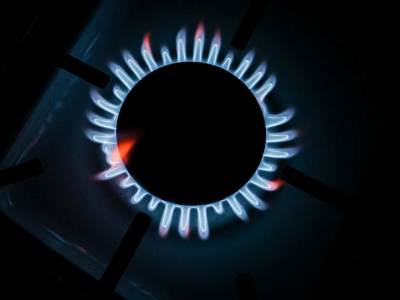
European energy fiasco reaches its climax. Gazprom announced the closure of Nord Stream for an indefinite period. Later, Russian President Vladimir Putin threatened that the tap would be closed as long as the West maintains its sanctions, Forbes reported.
After this news, energy prices skyrocketed again. European gas (Dutch TTF) has risen 35%, back to near historic highs, 6 times higher in perspective than two years ago.
Even before the last increase, electricity bills in Europe had doubled since last year. And Britons, who pay the most, are seeing their energy bills triple from last year.
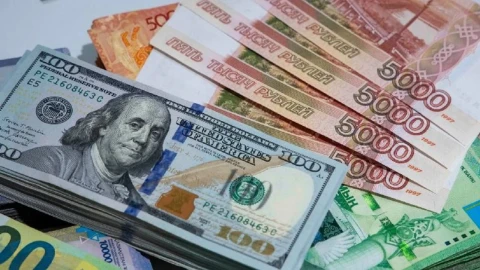
Meanwhile, European leaders are trying to take emergency measures, one of which is a massive $375 billion financial package to curb energy prices. The U.K. alone plans to spend a whopping $150 billion over the next 18 months. This prospectively amounts to a $1 trillion package relative to the size of the U.S. economy.
Europe is totally dependent on Russia, producing more than two-thirds of its energy from natural gas, 40 percent of which comes from, you guessed it, Nord Stream. For some countries, including the Czech Republic and Hungary, this is the only source of gas.
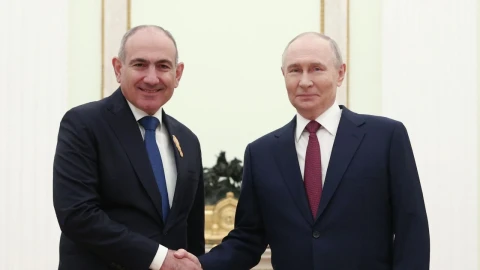
Now the Kremlin is playing on Europe's energy impotence to blackmail the West and get sanctions lifted.
In June, Nord Stream cut gas supplies to 40 percent of its capacity. Then, during another maintenance run in mid-summer, the flow came to a complete halt for ten days. Finally, on July 21, it was restarted, but only at 40% of its pre-maintenance level. And last Friday, Gazprom shut off gas flows "indefinitely."
Why can't Europe get gas from other sources?
It can, but it can't be done in the short term because the alternative is to deliver liquefied gas through LNG terminals, which requires a completely different infrastructure.
Besides, there's not enough LNG on the market to replace all the Russian gas that Europe just lost. And replacing it, again, will take time.
The shutdown of Nord Stream did not come as a big surprise to European leaders, who have been preparing for this worst-case scenario for months. Since the beginning of the summer, Europe has been implementing voluntary rationing programs and pumping as much gas as possible into its reserves in anticipation of the cold season. Unfortunately, however, this is not enough.
Germany, for example, currently has 85 percent of its national gas reserves. But Klaus Müller, president of the German energy regulator, has warned that even 95% is only enough for two months of average demand.
So there is a good chance that Europe will have to move from voluntary to mandatory rationing. In fact, Goldman Sachs calculates that in a worst-case scenario, Germany would have no other options, and that could mean a 65 percent reduction in industry in Germany if flows were to stop completely.
In other words, this energy fiasco could bring some of the industry in Europe to its knees. And worst of all, even the $375 billion budget package Europe has put together may not save it, because you can't buy gas that isn't there, can you?