make preferable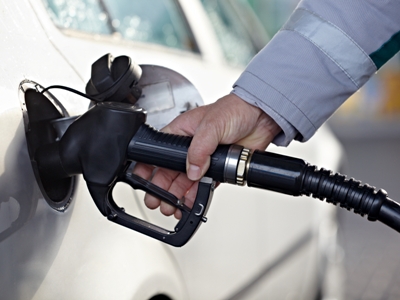
The French CGT union at the center of a week-long strike at major oil company TotalEnergies has refused to negotiate wages, dashing hopes of ending the standoff, Reuters reports.
A few hours later, the more moderate unions CFDT and CFE-CGC, which represent most workers, struck a deal with TotalEnergies that, if approved by all union members, would mean a 7 percent wage increase and bonus payments.
Legally, TotalEnergies could negotiate a wage agreement without CGT approval if it managed to get final approval from the other unions. But that doesn't mean the strikes can end anytime soon, as the standoff with the union continues.
A CGT spokesman told Reuters that all strikes affecting the four refineries and depots will continue.
CGT had previously said it wanted a 10 percent wage increase, citing inflation and unforeseen profits from the company's global energy crisis.
According to a statistical average provided by the government, one in three French refueling stations is experiencing supply difficulties this week, but many are running out of stock.
Energy Minister Agnès Pannier-Runacher said Friday that the government is not planning any further requisitioning procedures at this stage, but added that TotalEnergies bosses and CGT officials should continue negotiations despite the setback. The government has called on Total to raise wages.
As social tensions rise in the eurozone's second-largest economy, amid high inflation hitting the purchasing power of many households, there is a risk that the gasoline crisis that dominates news programs could spread to other sectors.
The CGT union, the second largest in France, is seeking to expand the movement and is calling for nationwide strikes in various sectors that could damage the country's infrastructure this fall.
Strikes are already taking place at some of EDF's nuclear reactors.
Union branches in other sectors, including railroads and automobiles, have announced that they will take part in a broader strike planned for next Tuesday.