make preferable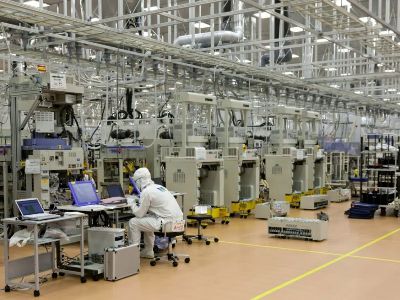
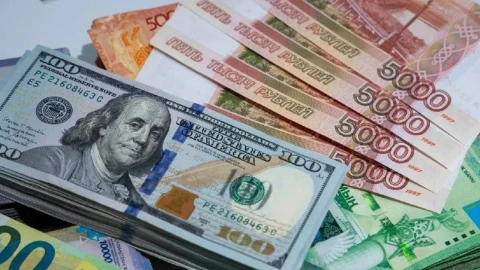
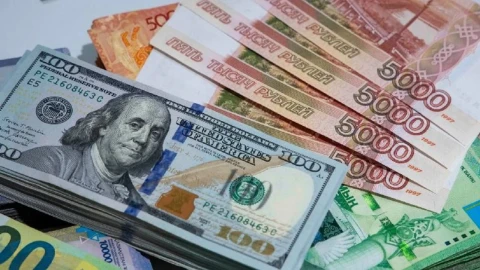
China is working on a support package worth more than 1 trillion yuan ($143 billion) for its semiconductor industry, an important step toward chip self-sufficiency and countering U.S. moves to slow its technological progress.
Sources told Reuters that Beijing is planning its biggest fiscal stimulus package in five years, mostly in the form of subsidies and tax breaks to support semiconductor manufacturing and research activities in the country.
This signals, as analysts expected, a more direct approach by China to shape the future of an industry that has become a geopolitical hot spot because of a surge in demand for chips, which Beijing considers a cornerstone of its technological strength.
The plan could be implemented as early as the first quarter of next year, two sources said. Most of the financial aid would be used to subsidize purchases of domestic semiconductor equipment by Chinese firms, mainly semiconductor plants, they said.
Such companies would be eligible for a 20 percent subsidy on the cost of purchases, the three sources said.
The fiscal support plan came after the U.S. Commerce Department passed a broad set of rules in October that could prohibit research labs and commercial data centers from accessing advanced artificial intelligence chips, among other restrictions.
The United States has also lobbied some of its partners, including Japan and the Netherlands, to reduce exports to China of equipment used to make semiconductors.
U.S. President Joe Biden signed a bill in August to provide $52.7 billion in grants for semiconductor manufacturing and research in the United States, as well as tax breaks for chip factories estimated to cost $24 billion.
With the stimulus package, Beijing intends to increase support for Chinese chipmakers to build, expand or upgrade domestic manufacturing, assembly, packaging and research and development facilities, sources said.
Beijing's latest plan also includes preferential tax policies for the country's semiconductor industry, they said.