make preferable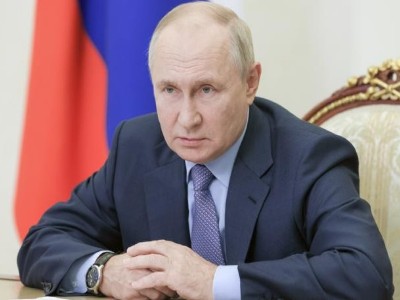
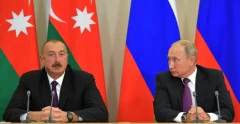
The oil supply route through the Strait of Hormuz, through which about a third of global seaborne exports passed last year, is now effectively closed, Russian President Vladimir Putin said at a meeting on the situation in global oil and gas markets.
"In 2025, about a third of global seaborne oil exports passed through the Strait of Hormuz — around 14 million barrels per day," Putin recalled. "About 80% of that was destined for Asia-Pacific countries. This route is now effectively closed."
"I would like to note immediately: Russia warned that attempts to destabilize the Middle East would inevitably strike the global energy complex — driving up oil and gas prices, limiting supplies worldwide, and disrupting long-term investment plans," the Russian leader said.
According to him, the supply-demand balance in hydrocarbon markets is shifting due to the Middle East conflict, leading to a new, sustained price reality. "In current conditions, competition among buyers for energy suppliers and for stable, predictable oil and gas supplies is intensifying," he noted.
"Global oil prices are rising — we can see this clearly. In just the past week, they have gained more than 30%." Putin noted that at 5:30 AM Moscow time, the price had broken above $119 per barrel, later fluctuating around $103-$107. "The trend is not downward, but upward," he observed.
Putin called on Russian energy companies to use the current moment to direct additional export revenues toward reducing their debt load to domestic banks, asking the government and Central Bank to monitor this process.