make preferable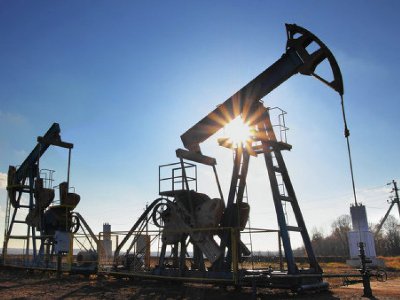
Tensions between Russia and the West are affecting oil prices rather than the fundamental fuel shortage that would justify an accelerated production increase by OPEC+, UAE Energy Minister Suhail Al-Mazroui said, Reuters reported.
“It looks like it is not supply and demand,” he told reporters on the sidelines of the Egypt Petroleum Show. “The major hike is geopolitical tensions, that is what is causing prices to be where they are today.”
He said a monthly production increase of 400,000 bpd from the Organisation of Petroleum Exporting Countries and Allies, led by Russia (OPEC+), had helped meet rising oil demand.
“If we have to do more, we have to look at fundamentals and technical data,” Mazroui said, when asked if OPEC+ should add more oil to the market.
Brent crude prices rose on Monday to a peak above $96 a barrel, the highest level in more than seven years, in response to fears that a possible Russian invasion of Ukraine could lead to US and European sanctions that would disrupt oil exports.
Last week, the International Energy Agency said Saudi Arabia and the United Arab Emirates (UAE) could help calm volatile oil markets by pumping more crude.
On Monday, Egyptian television reported that IEA executive director Fatih Birol called on OPEC+ to narrow the gap between the amount of oil it has committed to produce and its actual output.
The IEA said the OPEC+ alliance missed its production targets by 900,000 bpd in January.
Mazroui said it was difficult to predict the impact of geopolitics on oil prices, but said he was among those who did not think Russia would invade Ukraine.
He also said that if tensions lead to supply disruptions, producing countries would not be able to compensate. “No-one in [OPEC+] can replace that production,” Mazroui added, referring to potential disruption of Russian supplies.