make preferable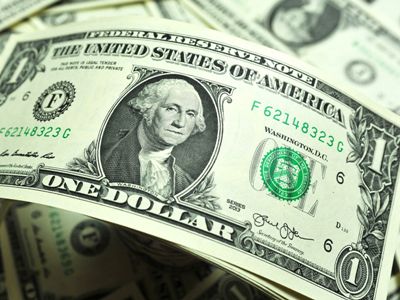
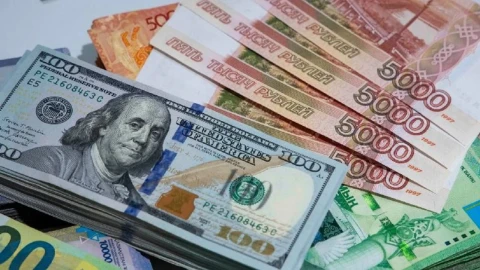
The Federal Reserve's aggressive efforts to curb inflation have sent the U.S. dollar soaring to historic highs, further helping efforts to control price pressures. However, one must be wary of the possibility of unwanted side effects, writes Market Watch.
"The Federal Reserve has been among the most aggressive (if not early) tighteners, and the dollar has appreciated sharply since mid-2021. Determined disinflation by the Fed and continued appreciation of the dollar could lead to more intense debt troubles for a range of EMDEs (emerging market and developing economies)," wrote Maurice Obstfeld, economics professor at the University of California, Berkeley, and Haonan Zhou, a Ph.D economics student at Princeton University, in a paper to be presented Friday at the Brookings Papers on Economic Activity fall conference in Washington, D.C.
The ICE DXY U.S. Dollar Index, -1.01%, a measure of the currency against a basket of six major peers, fell 0.2% Thursday but has risen 14.3% since the beginning of the year and hit its highest level since 2002 this week, hitting an all-time high against major peers, trading above 144 Japanese yen USDJPY, -1.32% this week for the first time since 1998, while the British pound GBPUSD, 1.08%, fell to a 35-year low against the dollar.
Part of the concern is the rise in dollar debt in these countries during the pandemic. The sharp rise in the dollar is making it difficult for borrowers in these countries to repay dollar-denominated loans.
The authors noted that more than 80 percent of total emerging market external debt is denominated in foreign currencies, mostly U.S. dollars, and in some countries "domestic currency mismatches create another potential fault line." .
The paper said that emerging market and developing countries can bolster their defenses against a rising dollar by controlling dollar-denominated debt, allowing flexible exchange rates, and ensuring that their central banks have a strong anti-inflationary credibility. The authors note that several eurozone central banks began raising interest rates last year, gaining an advantage over the Fed and other advanced economy central banks, which may provide some protection against the crisis but will slow domestic growth.