make preferable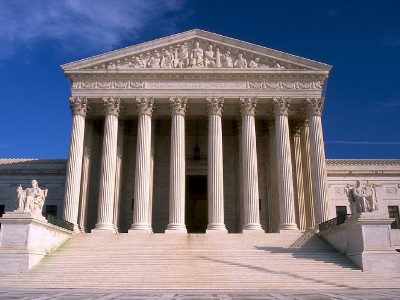
The U.S. Supreme Court will allow the public to hear arguments in person for the first time in 2 to 1.5 years after it closed because of the COVID-19 pandemic, Chief Justice John Roberts said Friday.
The nine members of the court, all of whom have been vaccinated against COVID-19, will begin hearing a new round of cases when the court's regular term begins Oct. 3.
Roberts announced the court's reopening while speaking at the 10th District Attorneys and Lawyers Conference in Colorado Springs, CNN and local media outlet Colorado Politics reported.
The white marble courthouse across the street from the U.S. Capitol has been barred from the public since pandemic-related restrictions were imposed in March 2020, even though the rest of official Washington eased restrictions months ago.
The Capitol began opening in stages to visitors and tourists in March, and the White House opened a month later.
In May, the court further shut itself off from the public after leaking a draft opinion stating that the court's conservative bloc intended to overturn the landmark 1973 Roe v. Wade, which legalized abortion nationwide.
The court erected the 2.44-meter-high fence amid concerns about the protests that followed the leaked draft opinion. The fence was removed in August.
After the pandemic began, the court changed the way it operates. In May 2020, it began hearing oral arguments by teleconference rather than in person, with live audio recording being made available to the public for the first time.
In October 2021, the judges resumed in-person oral arguments. They were then joined in the courtroom by attorneys, court staff, and journalists, but members of the public were still excluded.
The nature of oral arguments also changed: the former free-form questioning by attorneys was replaced by more streamlined questions from the judge.
The new term of the court promises to be as fateful as the previous one.
After landmark decisions ending the recognition of the constitutional right to abortion and affirming the constitutional right to carry firearms in public for self-defense, the justices have several controversial cases involving race to decide.
One involves an attempt to end affirmative action policies used by colleges and universities to increase the number of African and Hispanic students, Reuters reports.