make preferable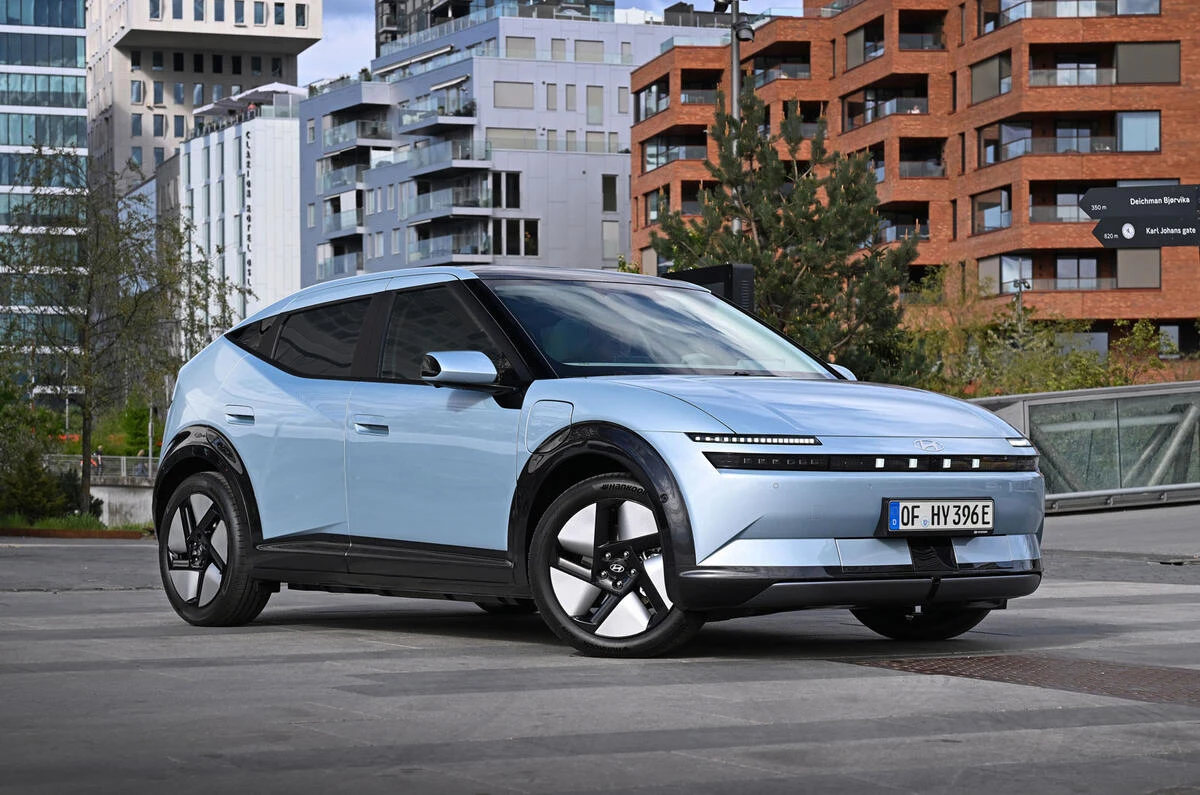
Hyundai’s European sales fell 8.7% in the first half of 2026, and the South Korean automaker hopes to turn things around with a major model line-up refresh, Autocar reports.
By the end of the year and early next year, the company will introduce new versions of several key models at once, including the Tucson, Kona and i20, as well as the new Ioniq 3 electric car. Hyundai’s wholesale deliveries to European dealers fell by 11% in the second quarter to 144,000 cars.
This was one of the reasons for the company’s operating margin to fall from 7.5% last year to 5.8%. Hyundai Chief Finance Officer Seung Jo Lee attributed this decline primarily to the aging of popular models and increased competition from Chinese electric car manufacturers.
According to him, the Kona and Tucson are already at the end of their life cycles, while Hyundai still offers an insufficient number of electric cars in the most popular compact segments. The main new model in the electric car direction will be the Ioniq 3, which will appear on the European market in the second half of the year.
Hyundai expects that this new electric car will provide about 20,000 additional sales in Europe by 2026. At the same time, Hyundai’s electric car direction is still inferior in terms of development to its own Kia brand. The share of electric cars in Kia’s sales in Europe this year has approached 30%, while Hyundai’s is around 20%.
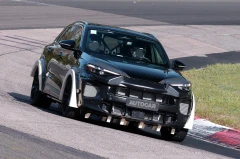
Kia is actively expanding its model range on the account of the new EV3 and EV2 models. Hyundai’s key launch will be the new generation of the Tucson, the brand’s best-selling car. The updated compact crossover is expected to hit the European market between October and December.
The current version, meanwhile, remains in demand, especially in the hybrid version. Hyundai’s hybrid sales in Europe grew by 18% in the second quarter. The company notes that this type of powertrain has a positive impact on profitability, while electric cars still remain less profitable due to their high cost price.
The next phase will be the Kona update: a new model with an electric version should be released next year. The brand’s third-best-selling model in Europe, the i20 hatchback, will also get an updated version with a new design. A hybrid version is expected to appear in its lineup for the first time. Also, Hyundai plans to introduce a new compact crossover, the Bayon, next year.
At the same time, the company has abandoned the direct successor to the i10 compact car, the production of which was discontinued for the European market at the beginning of the year. Hyundai considers the creation of a new gasoline version to be economically inexpedient and intends to close this segment with the electric Inster, which, however, costs more.
Amid Hyundai’s problems, its own Kia brand has so far managed to demonstrate the opposite dynamics: in the first six months of the year, Kia’s sales in Europe grew by 6.9%, reaching 290,700 cars, while Hyundai sold 243,800. Hyundai hopes that the release of new models in the fall of this year and in early 2027 will enable the company to return to the path of growth in the European market.