make preferable
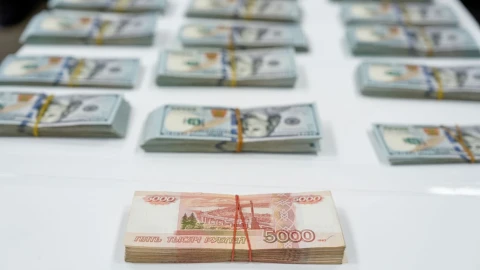
Andranik Tevanian, chairman of the Politeconomia Center for Economic Analysis, commented on IMF Resident-representative to Armenia Nienke Oomes’s statement on the financial and economic situation in Armenia in the context of increased financial aid to the the country’s Government and Central Bank. Tevanian said that additional funds just add to the country’s foreign debt, do not further system reforms and can only solve current problems, NEWS.am reports.
According to him, Armenian government should have returned to the floating exchange rate as far back as last year instead of spending money from the reserve fund. He also thinks that Armenian financial policy is aimed to replenish the state budget by all possible means, which only makes the crisis worse.
As to the authorities’ promise to relieve the tax burden on business in return to IMF’s additional $250m aid, Tevanyan said: “I do not yet see any such intentions. On the contrary, the tax burden is getting heavier, but even this being so, the state budget revenue is 40 percent behind the target”. The expert thinks that the 2009 Armenian budget was unrealistic.
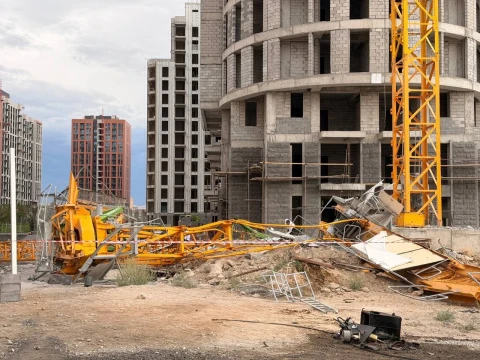
He also believes that the Government’s intention to invest in the construction sector to be inadvisable. “They say they will support the construction sector, but market shows falling demand. Is it reasonable to support it?” Tevanyan also expressed his surprise at the fact that, instead of reimbursing enterprises for their advance tax payments, the Government offers them its services as a creditor with “inadequate interest rates.”
On June 24 IMF Resident Representative to Armenia Nienke Oomes said that the Executive Board of the International Monetary Fund (IMF) completed the first review of Armenia’s economic performance under a Stand-By Arrangement (SBA) and approved an increase in the IMF’s financial support to an amount equivalent to about US$822.7 million. Despite the fact the country’s foreign debt will be equal to 45% of GDP in 2011, the country will be able to pay off its debts. If not, the IMF will extend its aid or will review the loan agreements with the country.