make preferable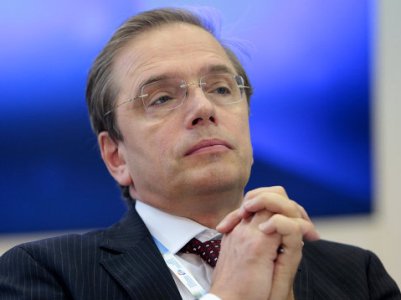
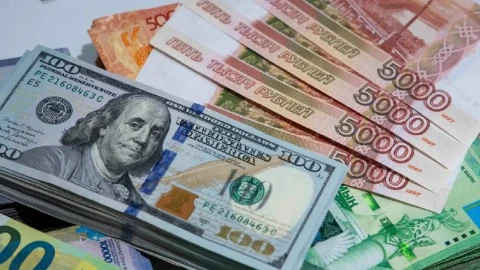
Ruble strengthens its positions in a mutual trade with Eurasian Economic Union (EEU) member-states. Almost 70 percent of the payments within EEU are already made in ruble.
Chairman of the Eurasian Development Bank (EDB) Management Board, Dmitry Pankin, stated the aforesaid in an interview with “Izvestiya.”
“Thus, the specific weight of payments in ruble grew by 20 percent over four years. The latest data are as follows: in the mutual estimates of Balarus, Kazakhstan and Russia, the share of payments in Russian ruble made up 69.6 per cent, in Belarusian ruble - 0.4 percent, tenge – 0.5 per cent, U.S. dollar - 23.8 percent, euro – 5.3 percent, and other currencies – 0.3 per cent. That is, despite difficulties, ruble doesn’t yield its positions,” Pankin noted.
As to the appearance of a single currency in EEU, the Chairman noted that he doesn’t see “any urgent need to introduce a single currency,” but it’s necessary to coordinate the economic and currency policy. Russia gives over 80 percent of GDP to EEU and thus the introduction of some other currency is a redundant measure, since the payments between EEU member-states are mostly made in ruble.
Currently there is no reference to the appearance of a common market from Lisbon to Vladivostok. “But in a long term, the issue may appear on the agenda. It must be prepared on an expert level already today so that the state authorities and negotiators can move forward easier,” Pankin noted.