make preferable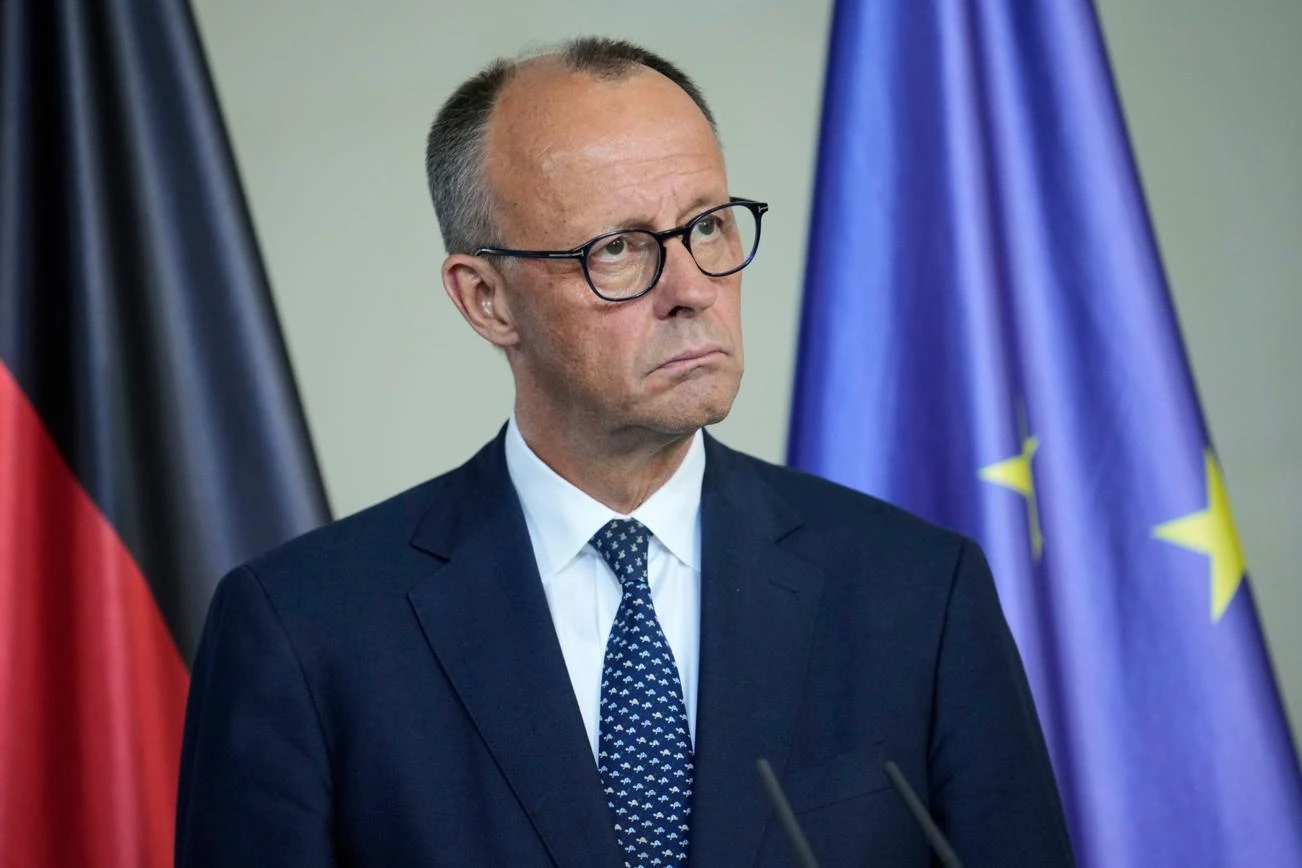
The European Union (EU) countries have begun to discuss the consequences of a possible resignation of German Chancellor Friedrich Merz, amid his domestic political difficulties, sources said, Politico reports.
These discussions were prompted by a series of defeats of Germany’s ruling party in local elections, which were accompanied by historic successes of the far right, as well as disagreements over Merz's social policy issues within the ruling coalition. The governments of the two European countries have already held internal consultations to assess the consequences—for EU policy—of the German chancellor's possible resignation.
Merz's political weakness could complicate talks on the next seven-year budget of the EU. At the same time, as noted by anonymous diplomats, the weakening of the chancellor's position in Germany is unlikely to lead to a softening of his approach to the EU budget. On the contrary, the chancellor could tighten his line, thus trying to show success at home. In the event of his resignation, his successor will probably continue this course, since Germany does not want to significantly increase its contributions to the EU budget.
Germany is in favor of reducing the cost of the EU budget, and the union’s leaders hope to agree on the budget by the end of the year. Germany, along with Sweden, Finland, Denmark, Austria, and the Netherlands, insists on an overall reduction in spending, while net recipient countries, including Poland and Romania, are in favor of maintaining their share.
The EU budget is approved for a seven-year period. Talks are underway on the budget program for 2028-2034, the amount of which, according to the European Commission’s proposal, should total 1.76 trillion euros, taking into account inflation. But a number of countries, including Germany which makes a significant contribution to the EU budget, consider it excessive.