make preferable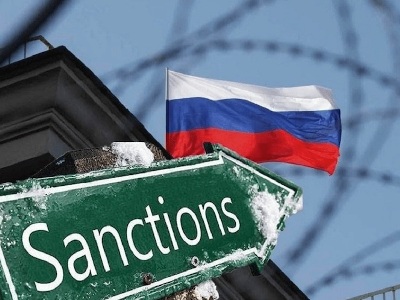
The European Union says it is ready to impose massive economic sanctions on Russia if it invades Ukraine, but officials and diplomats say that depends on complex negotiations involving 27 member states that are far from complete.
Energy dependence makes the deal more difficult for the EU than for the United States. It is more difficult to achieve political agreement, said a senior EU diplomat.
It is not clear which EU countries have been the most hesitant in the negotiations or when the EU may be ready to impose sanctions, which it says will have enormous consequences.
Negotiations are conducted secretly between the capitals of the EU and the European Commission.
Negotiations are underway with member states. We don't want to do it publicly. Moscow knows how to use differences, said a second EU diplomat, Reuters reports.
The EU economy is more at risk than the US. According to the EU, its exports to Russia have fallen by a fifth in the two years since Crimea was annexed by Russia in 2014.
Germany's position as the largest consumer of Russian gas in the EU will be decisive in the negotiations.
Russia is the fifth largest trading partner of the EU as a whole, and supplied 44% of the gas imported by the EU in 2020. But gas makes up 75% to 100% of the value of gas imports in Bulgaria, Hungary, Slovakia, Slovenia, Romania, Latvia, Estonia and Finland.
Germany and Italy are among the largest exporters to Russia with sales in sectors ranging from industrial goods to mining.