make preferable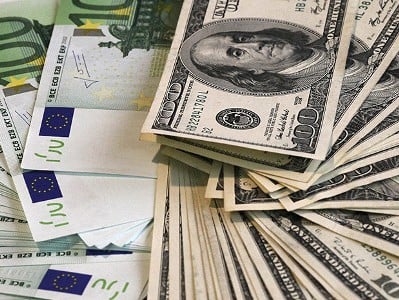
There is no global coalition against Russia in connection with the Ukrainian crisis. And this could have important implications for the future of international finance as countries around the world react to moves by the US and its allies to freeze Russia's foreign exchange reserves, writes the FT.
The sanctions shook the world, admits John Smith, who heads the national security practice at the law firm Morrison & Foerster.
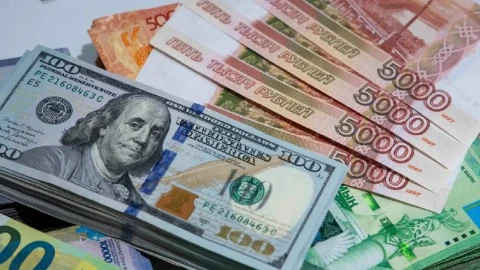
The strength of sanctions against Russia is based on the dominance of the US dollar, which is the most widely used currency in trade, financial transactions and central bank reserves. However, by weaponizing the dollar in this way, the US and its allies risk provoking a backlash that could undermine the US currency and split the global financial system into competing blocs that could make things worse for everyone.
China, in particular, has long-term plans for the yuan to play a much larger role in the international financial system. Beijing views the dominance of the dollar as one of the strongholds of American power that it wants to get rid of. US MS over the oceans. The Ukrainian conflict will reinforce this view.
The death of the dollar has been predicted countless times. Inertia is a powerful force in cross-border finance: when a currency is widely used, it becomes a self-perpetuating position.
But if there is a steady retreat away from the dollar in the coming years, sanctions on the Central Bank of Russia may not be a bold new way to put pressure on an opponent, but a moment when dollar dominance begins to decline.
Analysts point out that previous examples of financial warfare have mostly been about blocking money for terrorism or deploying it in specific cases such as Iran's nuclear program. An attack on a country as big and powerful as Russia is unprecedented and, for better or worse, could be a plan for the future, says Mitu Gulati, professor of financial law at the University of Virginia.