make preferable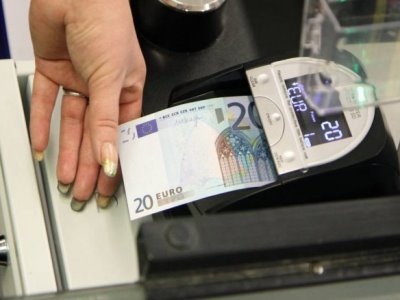
Wages and other payments related to labor relations are no longer issued in cash in Lithuania. On January 1, amendments to the Labor Code entered into force, according to which the employer must transfer this money to the employee's bank account, TASS reports.
As noted by the State Labor Inspectorate under the Ministry of Labor and Social Protection, the refusal to issue wages in cash should reduce the shadow business and should more effectively protect the interests of the employee.
According to the ministry, in the private sector of the economy, there are often cases when a larger amount is indicated in the statements than is paid to a person. Labor disputes arising in this regard are difficult to resolve. It is expected that the bank transfer of salaries, per diems and travel allowances will make this segment of labor relations more transparent.
All business entities will have to adhere to this form of payment, except for sea trading companies, for which an exception has been made. The payment of salaries to seafarers is regulated by the Lithuanian merchant marine law.
As critics of the innovation note, in the fight against shadow business, politicians will leave the village without money. In rural areas, in many shops you can pay only in cash, and there are no ATMs where you can get them. Currently, 1,044 ATM machines are installed in 91 settlements of the country. They are not even in some small towns. There are 103 settlements in Lithuania with the status of a city.