make preferable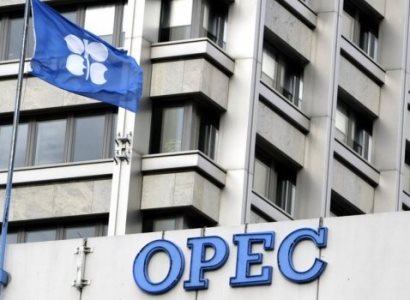
Saudi Arabia, Russia and allies are likely to stick to their modest increase in oil production as the OPEC meets after the EU agreed to ban most Russian oil imports.
European Union leaders on Monday agreed to ban more than two-thirds of Russian oil imports. This led to a further increase in oil prices, which have already reached record highs this year, amid pressure on the 23 members of OPEC + to increase production.
Brent reached a two-month high above $124 a barrel, while WTI topped $119.
But analysts say OPEC+ will stick to its strategy of slightly increasing production during Thursday's meeting.
The 13 members of the Organization of the Petroleum Exporting Countries, chaired by Saudi Arabia, and 10 of their partners, led by Russia, have sharply cut production in 2020 due to falling demand due to the coronavirus pandemic and worldwide restrictions.
Since last year, they have been modestly increasing production by about 400,000 barrels a day every month and are resisting pressure from major consumers, including the US, to increase production even more.
Analysts also noted that even if OPEC were ready to increase production, some of its members did not meet quotas, which led to a decrease in supply in the market.
OPEC was created in 1960 and 10 partners joined it in accordance with the 2016 declaration. Its mission is to ensure the stabilization of the oil markets.