make preferable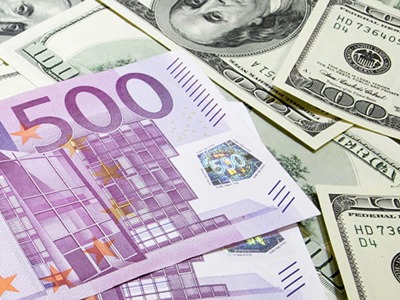
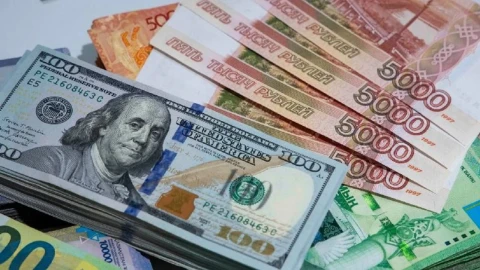
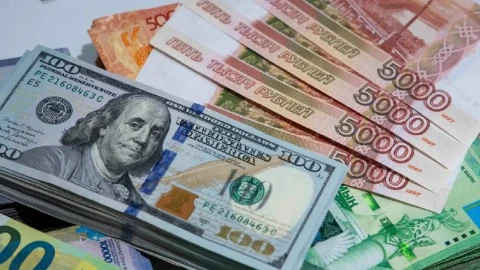
The euro and the dollar have reached parity for the first time in 20 years, signaling market speculation that the European economy is heading for a deep recession.
One euro equals one U.S. dollar, Euronews reported.
The shift means that European companies and consumers will pay more for the goods and services they import, and European exports will immediately become cheaper in international markets.
The euro has fallen sharply in value since early February. The fall has accelerated in recent weeks as fears have spread that Russia, the main energy supplier to the EU, is going to cut off gas supplies completely in response to Western sanctions.
To date, 12 EU countries have fully or partially cut off Russian gas supplies.
Supplies from the Nord Stream 1 pipeline were halted earlier this week for planned 10-day maintenance. Europe fears Russia will not resume supplies.
"Let's prepare for a total cut-off of Russian gas. This is now the most likely option," Bruno Le Maire, France's finance minister said.
All eyes will be on the euro to see if it falls below the U.S. dollar. The last time that happened was in November 2002, when the euro was worth $0.99.
Since then, the euro has risen steadily, reaching nearly $1.60 in the summer of 2008 as the Great Recession wreaked financial havoc in the United States.
But the war in Ukraine changed the situation, taking a heavy toll on the EU economy. The sudden shock caused record inflation in the eurozone, which stood at 8.6 percent in June, along with a gradual slowdown in economic activity.
The European Central Bank has already raised interest rates in an attempt to curb inflation and plans to continue to do so as the situation deteriorates further. But some analysts have criticized the ECB for acting too late compared to its counterparts in the U.S., Britain and Canada.
"Maybe on some level, parity of Euro versus US Dollar is just a number," Robin Brooks, chief economist at the Institute of International Finance (IIF), wrote on Twitter.
"But markets are made up of human beings who happen to care about levels, which gives parity a special psychological significance, not least since we haven't seen [parity] in 20 years. This is a big deal."