make preferable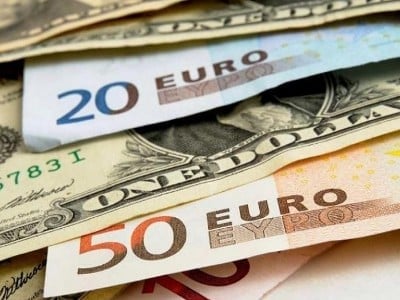
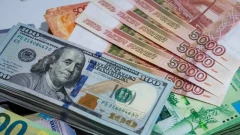
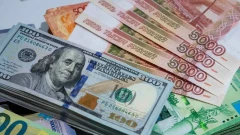
Analysts are wondering how low the euro could fall, after the euro currency equaled the dollar for the first time in 20 years.
Ultimately, as skyrocketing energy prices and inflation drive down living standards, there could be a political price to pay, Politico reported.
On Tuesday, the euro briefly reached parity against the U.S. dollar for the first time in 20 years. The last time the euro was worth less than the dollar was in 2002.
The single currency has lost more than 10 percent of its value against the U.S. dollar since the beginning of the year. It was a precipitous drop, caused in part by worsening growth prospects in the eurozone because of the war in Ukraine and increased demand for the dollar as a safe haven currency.
But not everyone will see this as bad news. A falling currency has its advantages, namely that exports become cheaper and more attractive. But European Commissioner for the Economy Paolo Gentiloni warned that it would be a "mistake" to see the euro fall in such circumstances.
A weak euro makes imports more expensive, adding to inflationary pressures. One politician who has warned of this risk is ECB Governing Council member François Villeroy de Galhau. Earlier this year, he warned that the central bank "will carefully monitor developments in the effective exchange rate, as a significant driver of imported inflation." "A euro that is too weak would run counter to our goal of price stability," he added.
Analysts have warned that the euro may not have bottomed out, given lingering risks that an end to gas supplies to Russia could lead to a deep recession in the region.
Some speculate that the euro could fall as low as 90 U.S. cents if Russia does not restart the Nord Stream 1 pipeline.
This scenario, in turn, could significantly limit the ECB's ability to raise interest rates, which it has not yet done. It is expected to raise prime rates by 25 basis points on July 21, and may announce even more hikes in September.
In the meantime, the dollar is benefiting as investors rush to invest in U.S. government bonds as insurance against economic and political uncertainty.