make preferable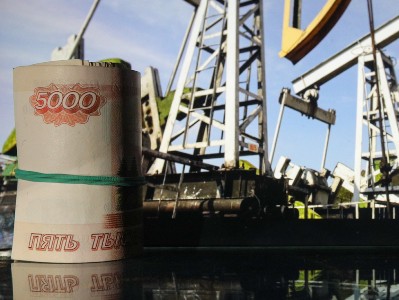
The Trump administration has not extended the temporary US sanctions waiver that allowed the legal sale of Russian oil and petroleum products loaded on ships until March 12, Bloomberg reports.
The measure expired on April 11. It was introduced against the backdrop of a sharp deterioration in energy markets after the outbreak of war in the Middle East. Iran's closure of the Strait of Hormuz has led to a reduction in global oil exports by about 13 million barrels per day and a rise in prices above $100 per barrel.
In this context, the White House had sought to increase global oil supplies and temporarily eased sanctions on Russia and Iran, allowing buyers to legally buy oil that had already been loaded.
The short-term permit to sell Iranian oil expires Sunday, according to The New York Times, but the US Treasury Department has already announced that it does not intend to extend it.
At the same time, according to the monthly report of the International Energy Agency, Russia's revenue from oil and petroleum product exports increased to $19 billion this March, which is $9.3 billion more than in February and $4.8 billion more than in March last year.
Russia's oil exports increased by 0.27 million barrels per day—to 4.6 million, and petroleum product exports by 0.05 million—to 2.5 million. Total oil and petroleum product exports increased by 0.32 million barrels per day—to 7.1 million.
Russia's oil production rose by 0.29 million barrels per day in March—to 8.96 million, 0.61 million barrels below Russia's OPEC+ quota.
Total liquid hydrocarbon production rose by 10.32 million barrels per day.